Best Fit
Data Engineer, AI Engineer, applied ML/LLM engineer, or hybrid data + AI product roles.
Data + AI systems for real workflows
Open to Data & AI Engineering rolesI am Weijian (Tim) Zhang, a data engineer and AI-driven pipeline architect. I work across the full chain: ingestion, modeling, retrieval, evaluation, service design, and cloud deployment, with delivery experience spanning Hong Kong GovTech, insurance fraud detection, clinical gait AI, multinational retail enterprise data platforms, and commercial bank data middle-platform programs.
Featured work includes an award-winning SRR Agentic Case Processing System, MCC FWA insurance fraud graph intelligence, GaitGPT bidirectional clinical gait translation bridge, and enterprise warehouse modernization. The resume points here; the portfolio shows the systems.
Best Fit
Data Engineer, AI Engineer, applied ML/LLM engineer, or hybrid data + AI product roles.
Strongest Areas
Agentic workflows, clinical/financial AI, retrieval pipelines, data quality automation, and FastAPI services.
What Teams Get
Someone who can connect warehouse discipline, model behavior, and production pragmatism.
Publications, Patents & Awards
This is the compact signal layer for outcomes beyond delivery: competition recognition, patent disclosure materials, and manuscript work that is still positioned as in preparation.
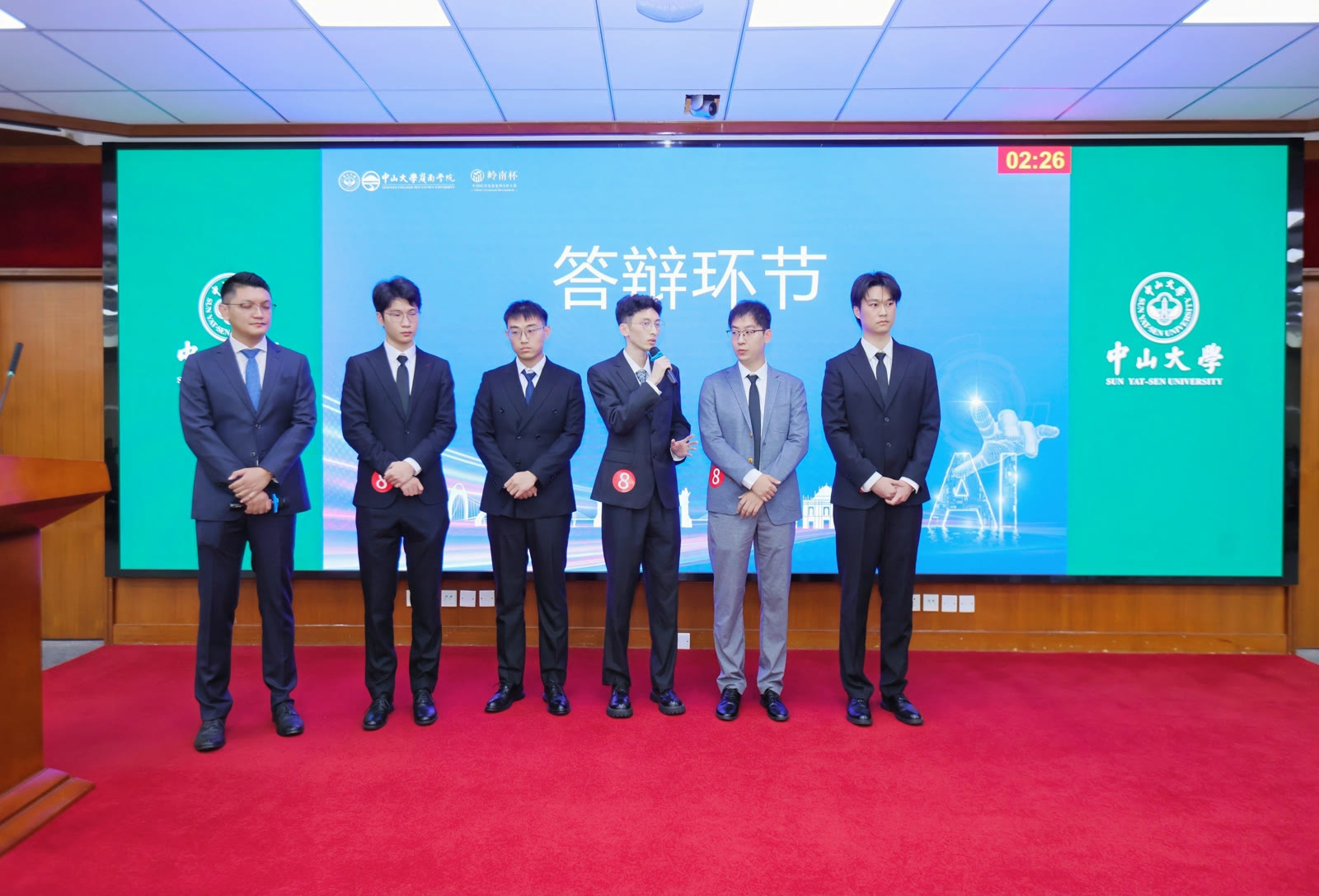
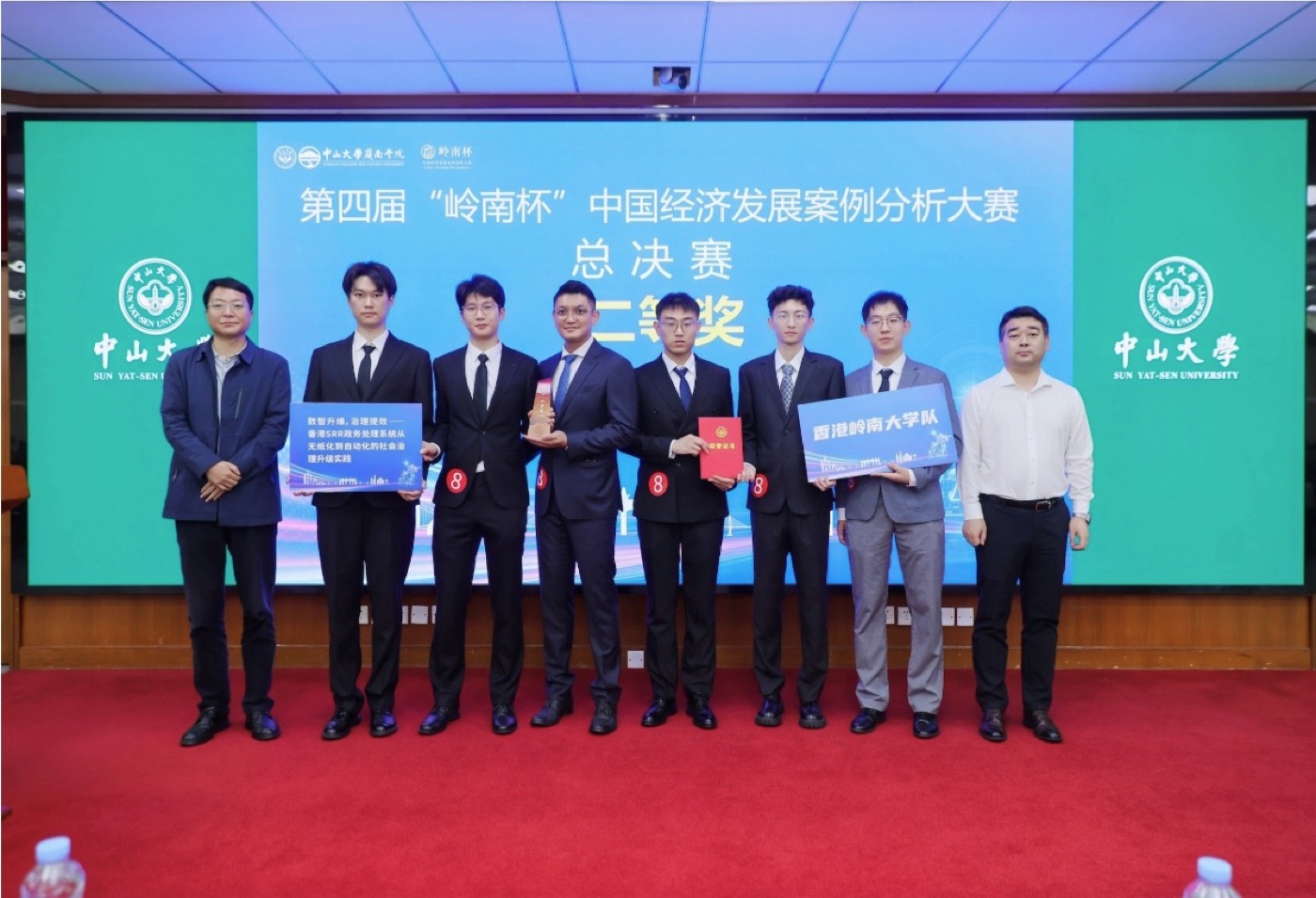
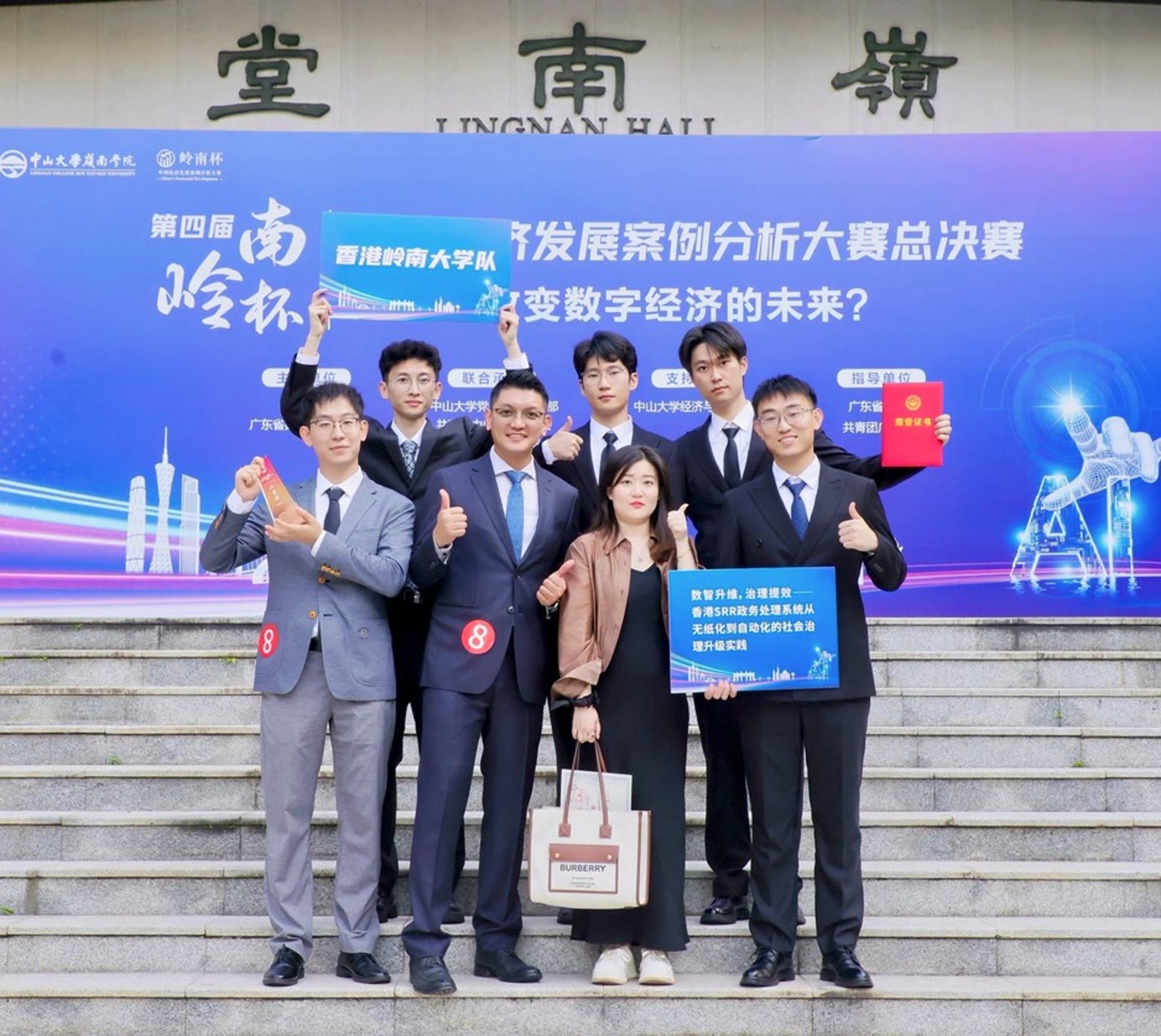
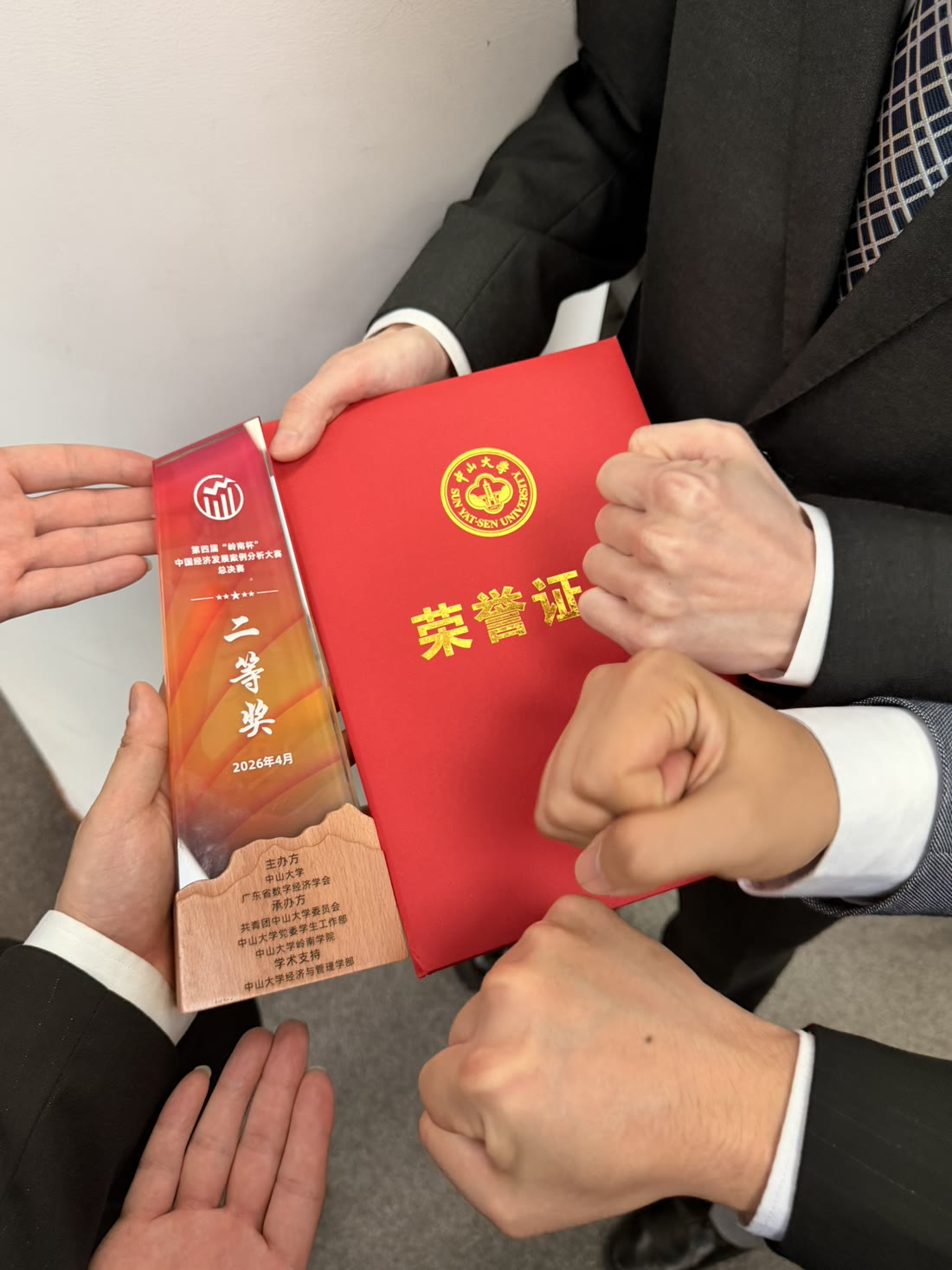
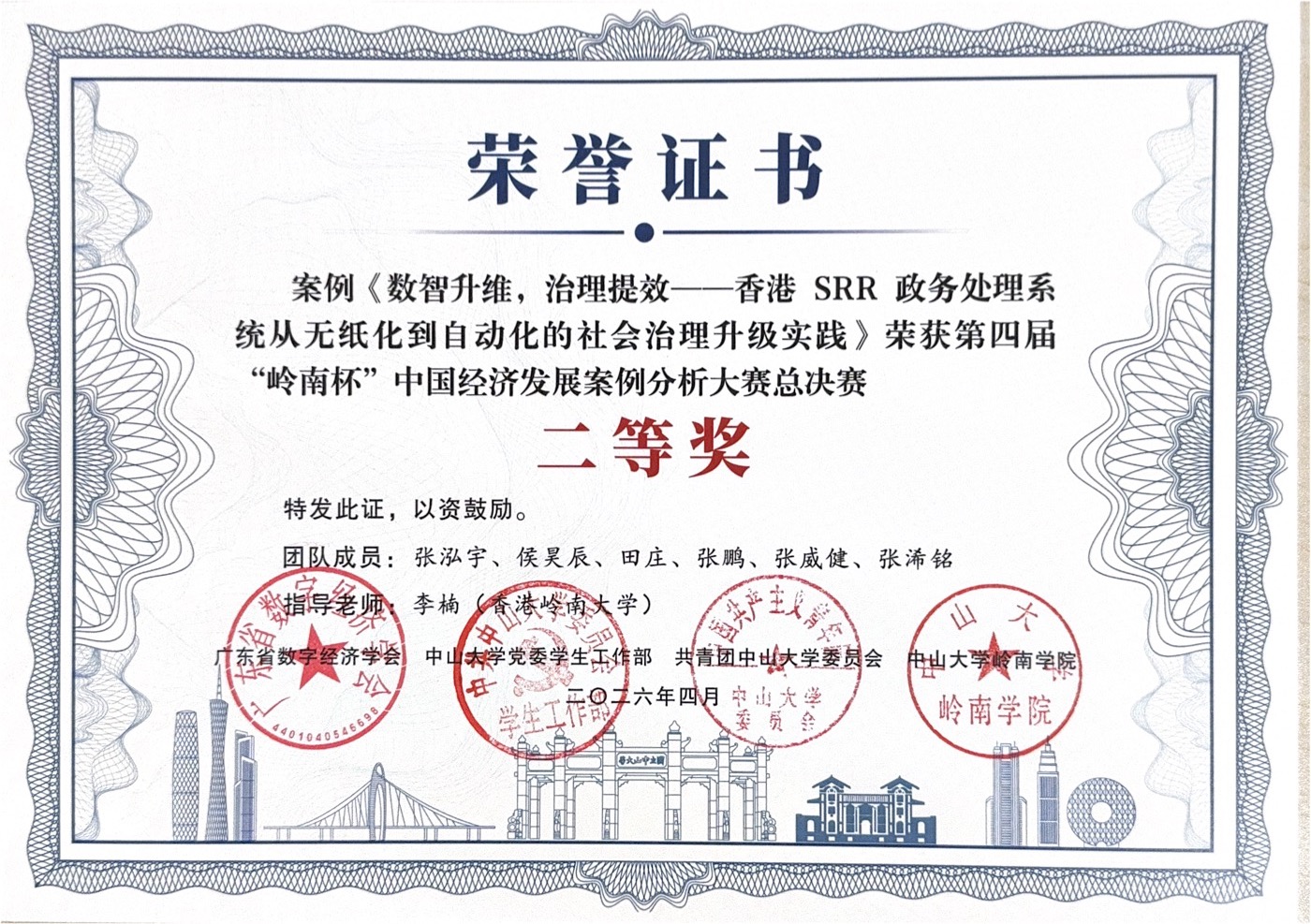
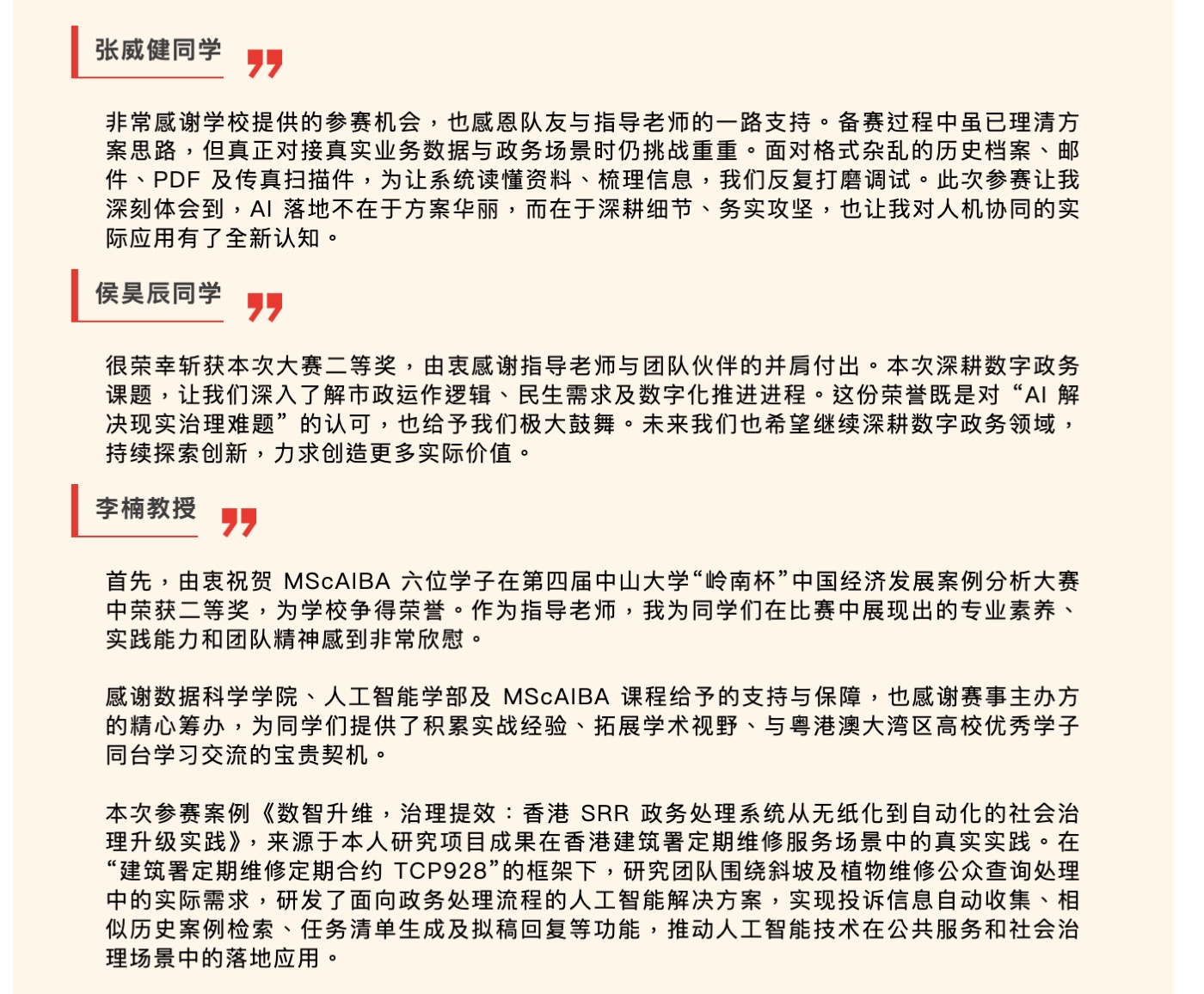
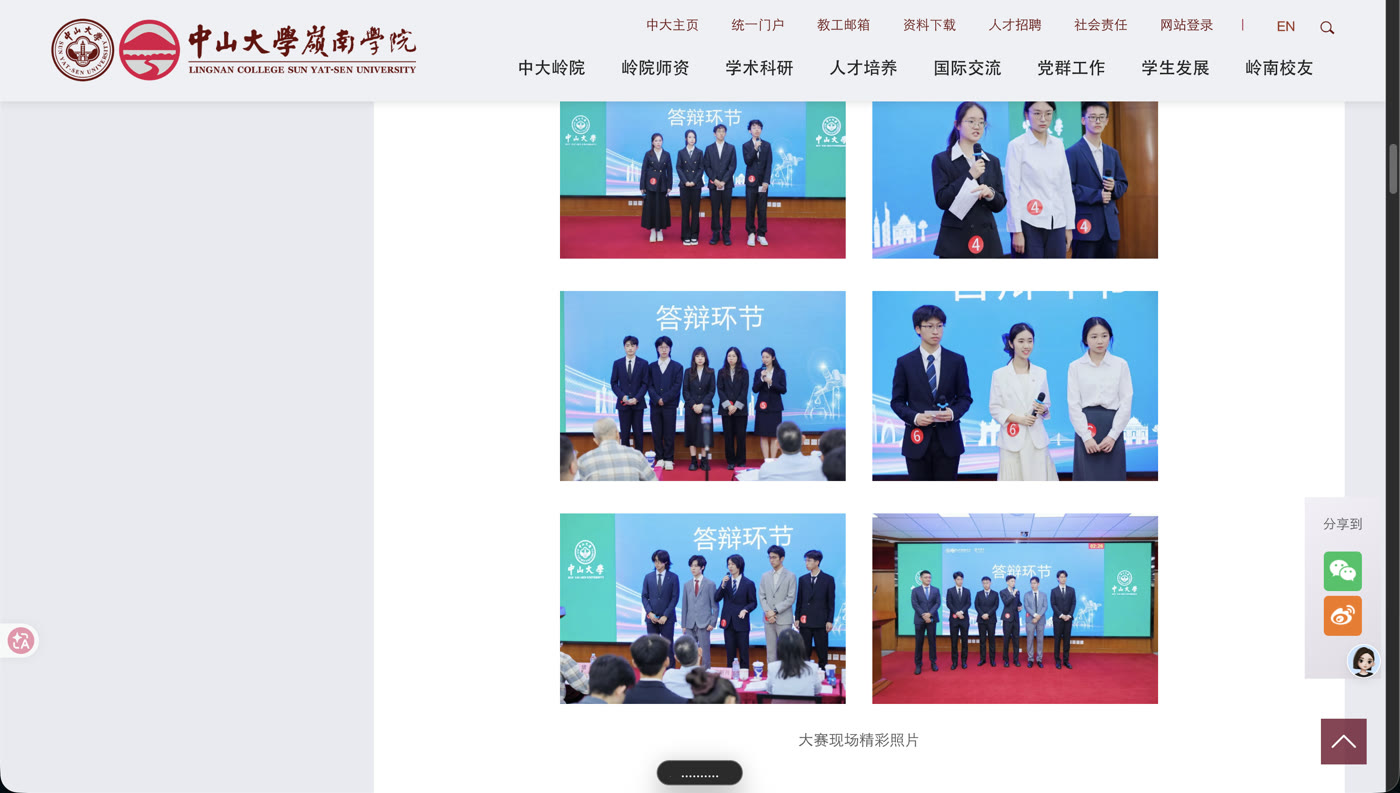
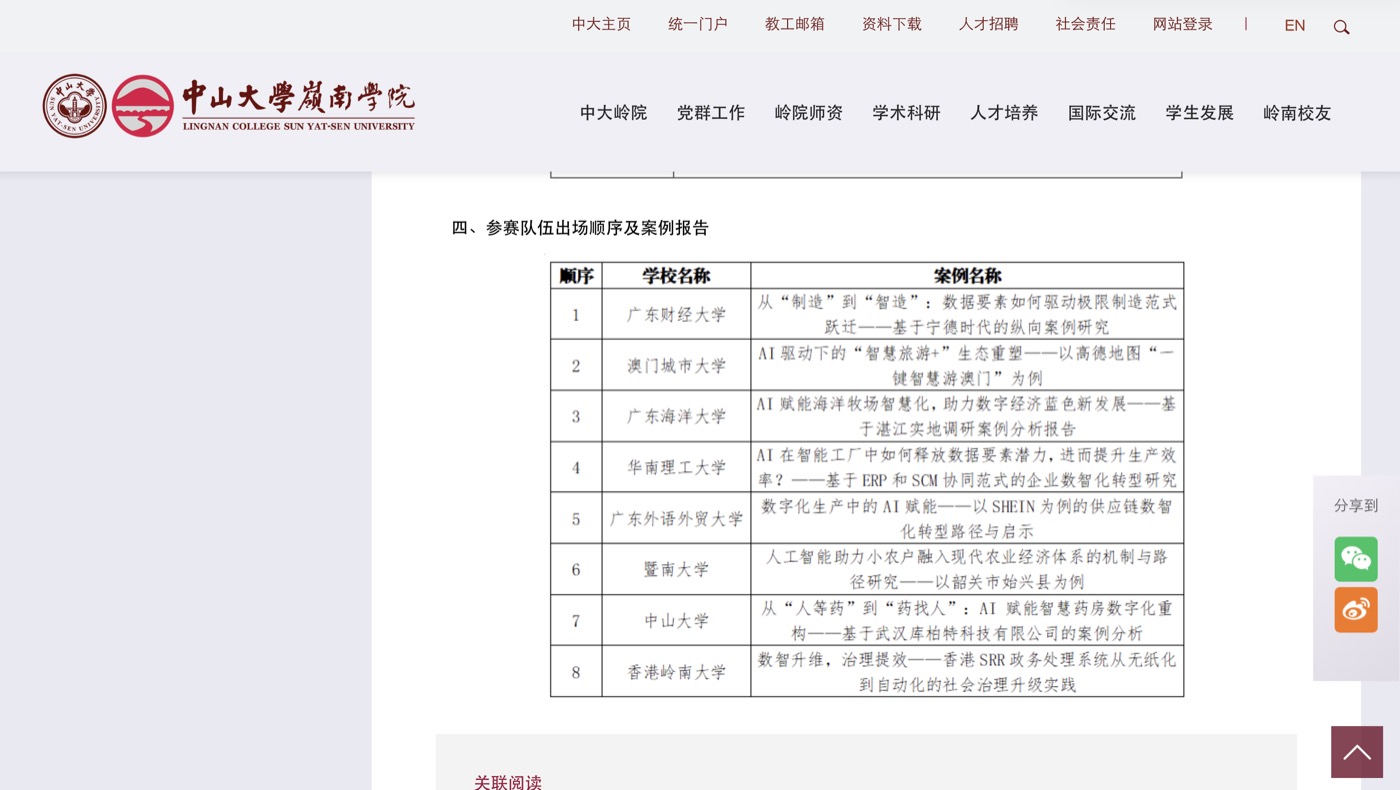
Hong Kong Lingnan University MScAIBA team case on SRR civic-service automation; RMB 10,000 prize, 163 teams entered, and 8 advanced to the final.
SecureYield FinTech proposal on green AI compute yield and RWA tokenization; awarded HK$5,000 at the 29 May 2026 final.
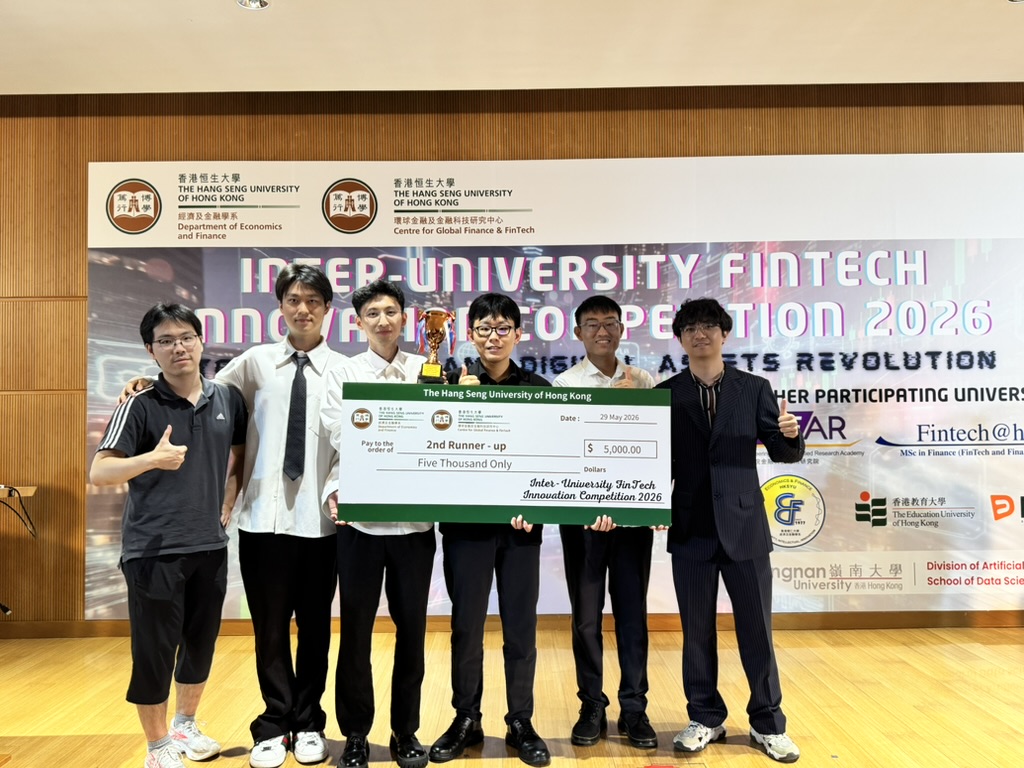
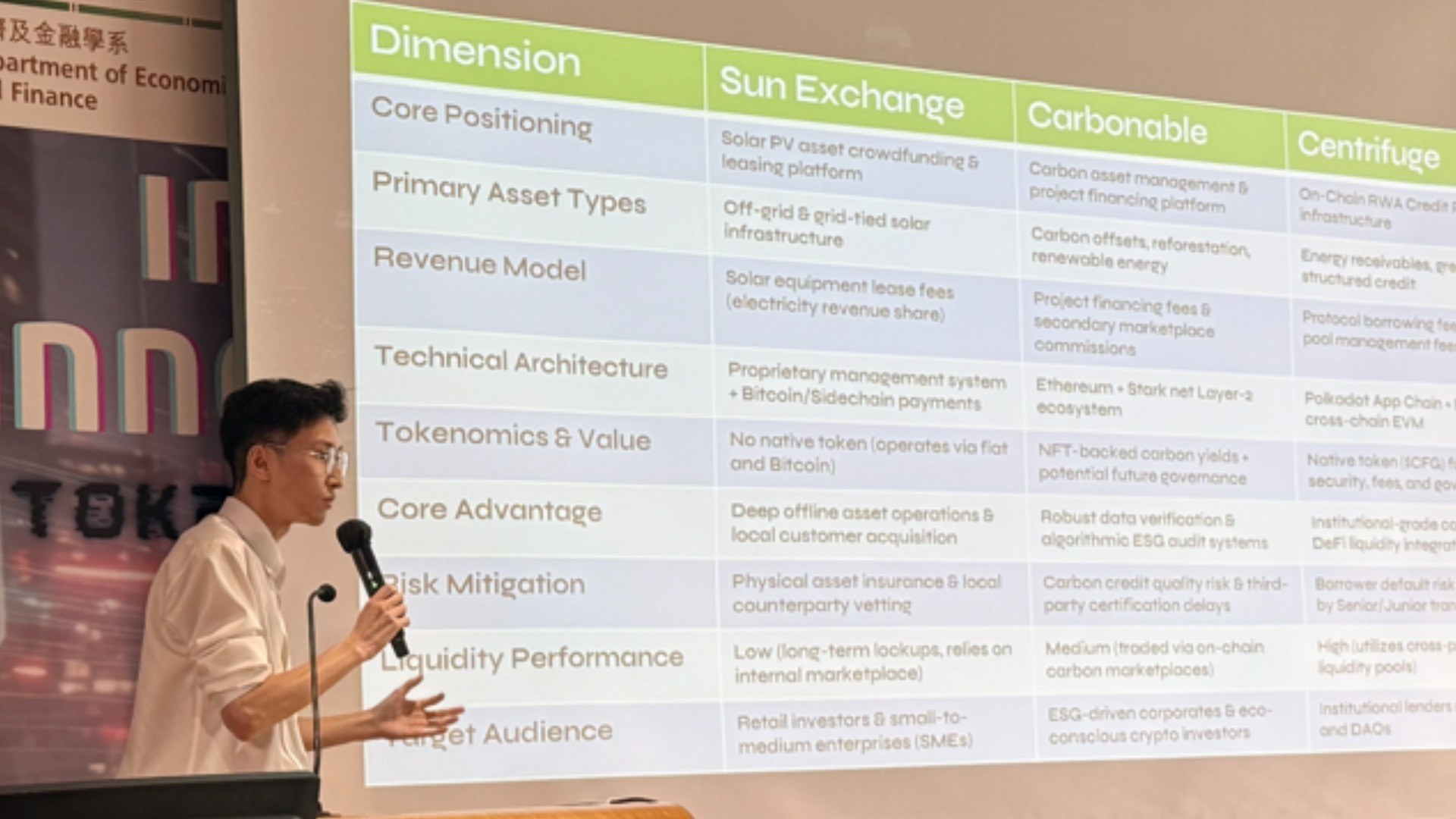
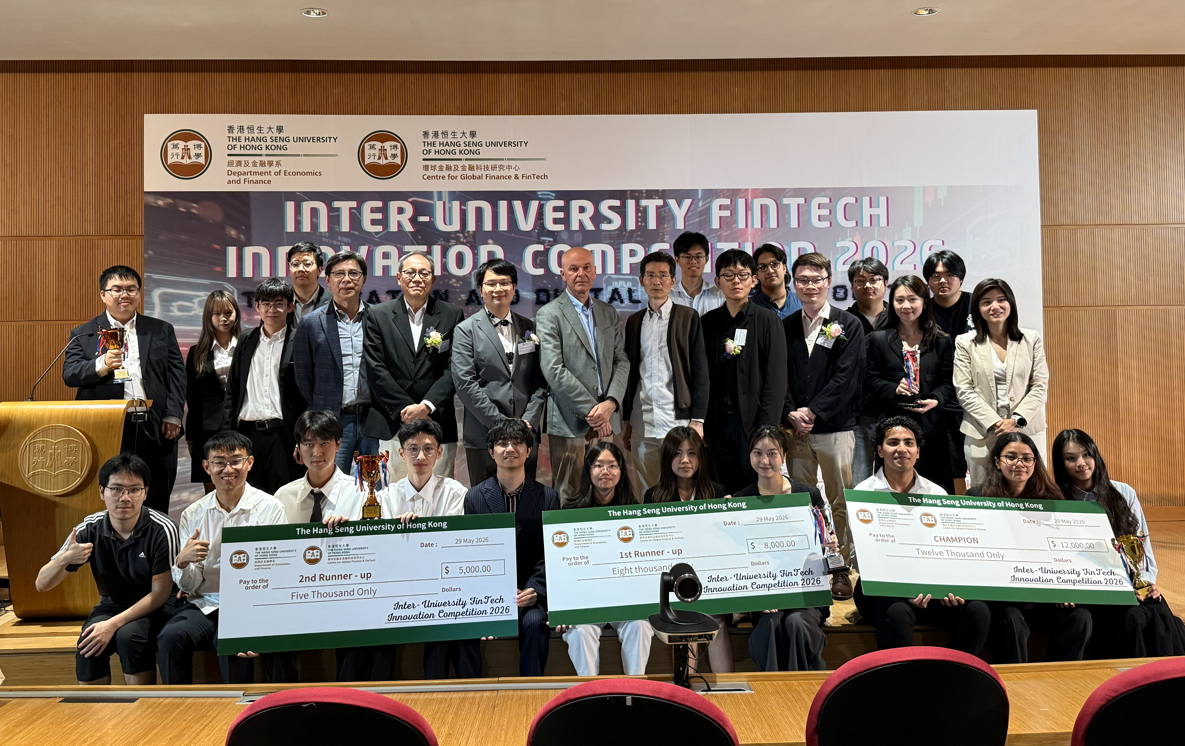
GaitGPT received a Gold Medal at the Silicon Valley International Invention Festival, plus the IFIA Best Invention Award and the Thailand NRCT Award for the Best International Invention and Innovation. Lingnan won 16 awards across 14 exhibits; these three belong to GaitGPT.

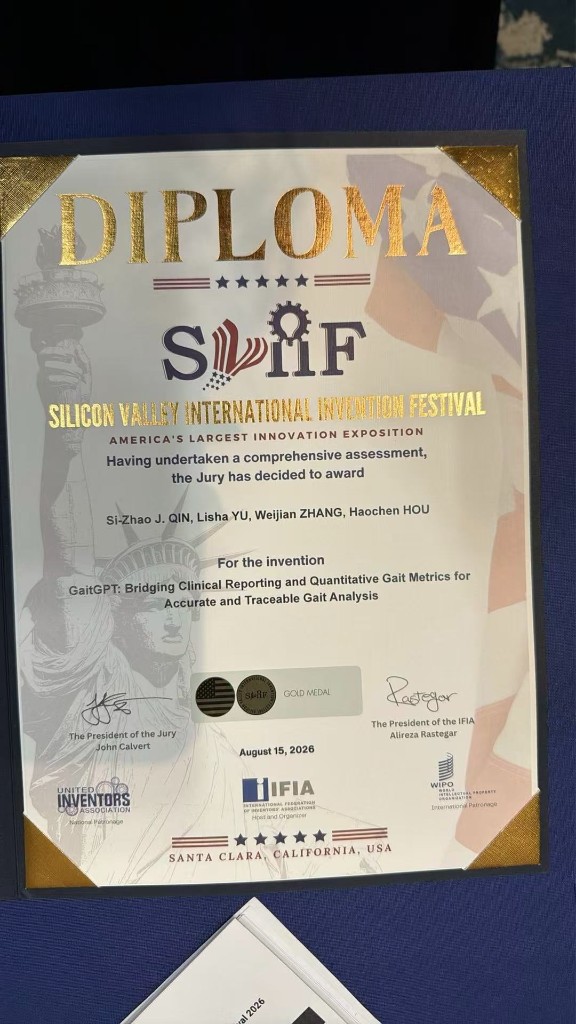
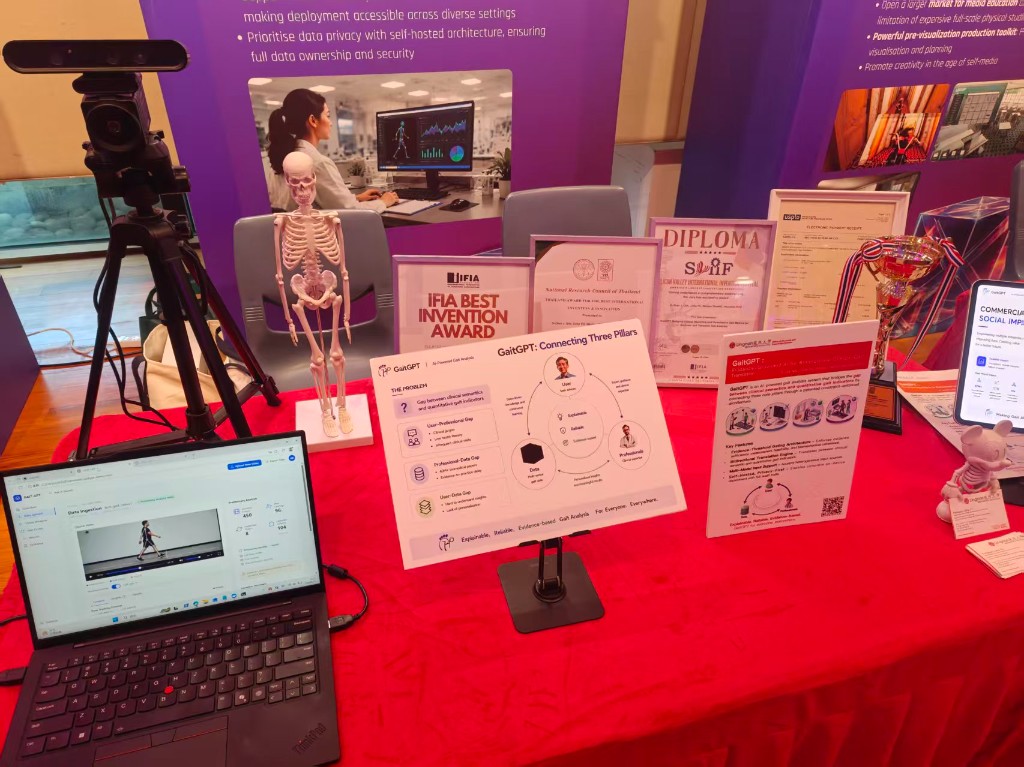
An Evidence-Bounded Bidirectional Framework for Video-Based Gait Informatics; manuscript in preparation.
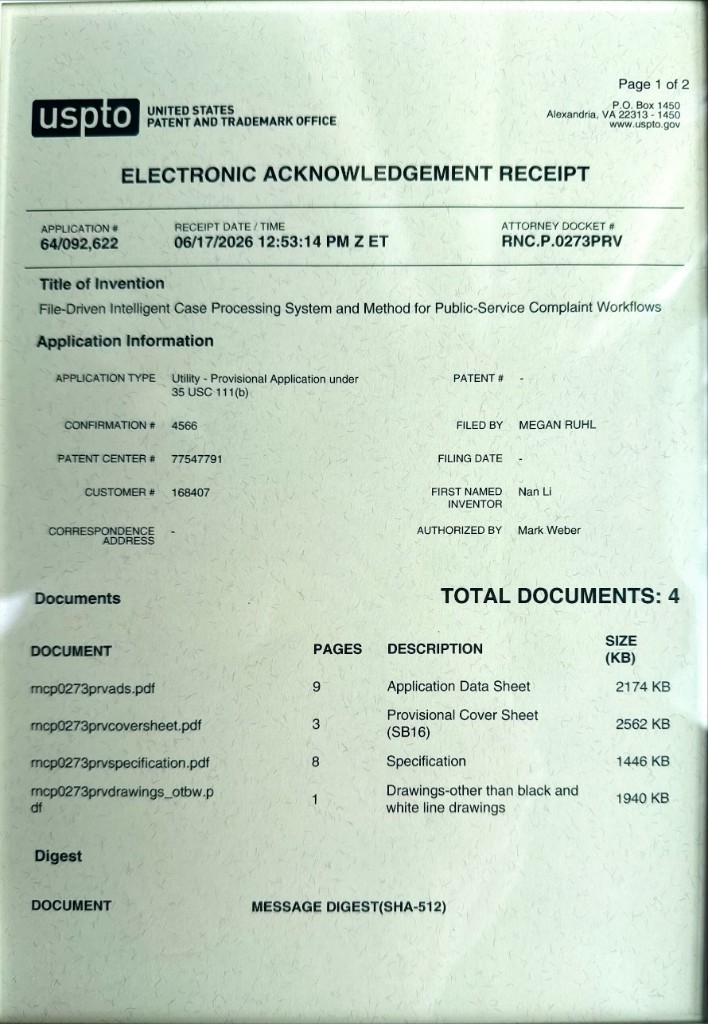
U.S. provisional filed 17 Jun 2026, Application No. 64/092,622, covering file-driven intake, retrieval, quality control, rollback, and response drafting.
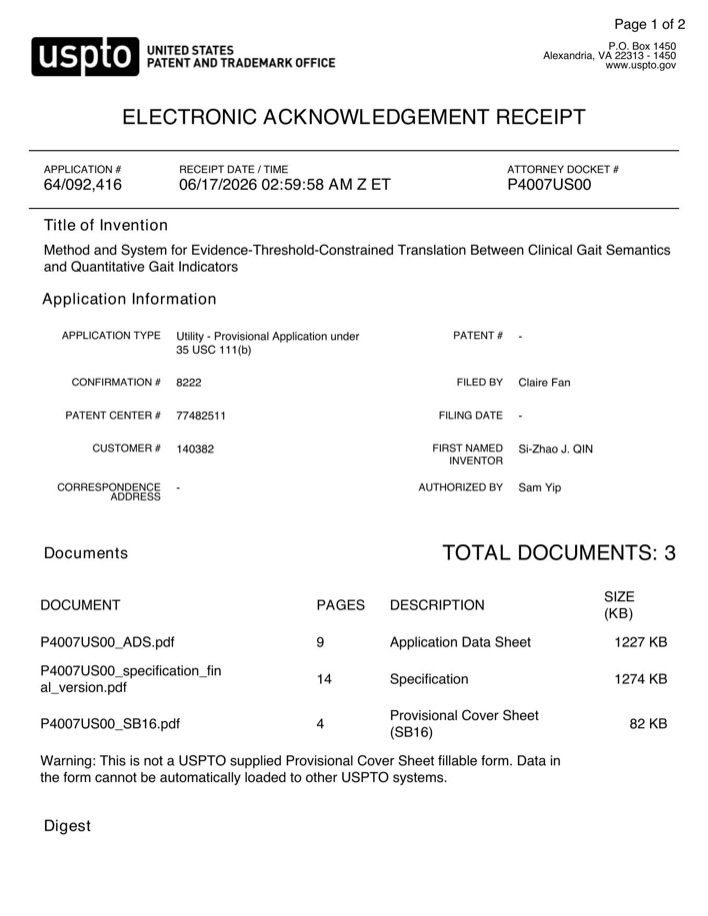
U.S. provisional filed 17 Jun 2026, Application No. 64/092,416, covering evidence-threshold-constrained translation between clinical gait semantics and quantitative gait indicators.
Patent disclosure in preparation for multi-model fusion that discovers cross-modal visual relationships inside file knowledge graphs.
Selected Projects
These projects are arranged around the kind of work I am targeting: hybrid data and AI engineering roles where product usefulness depends on both infrastructure discipline and intelligent workflow design.
Award-Winning GovTech Case
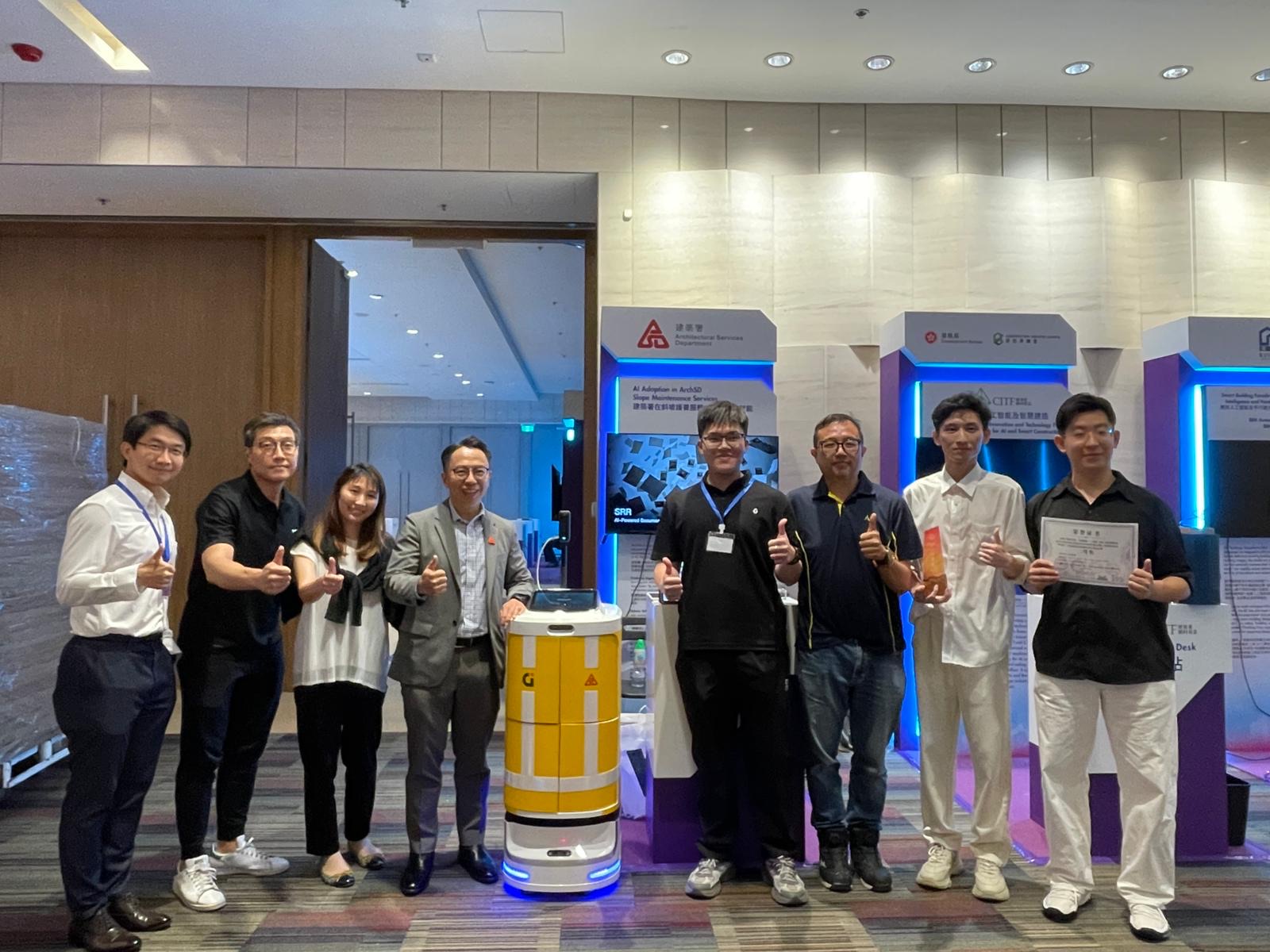
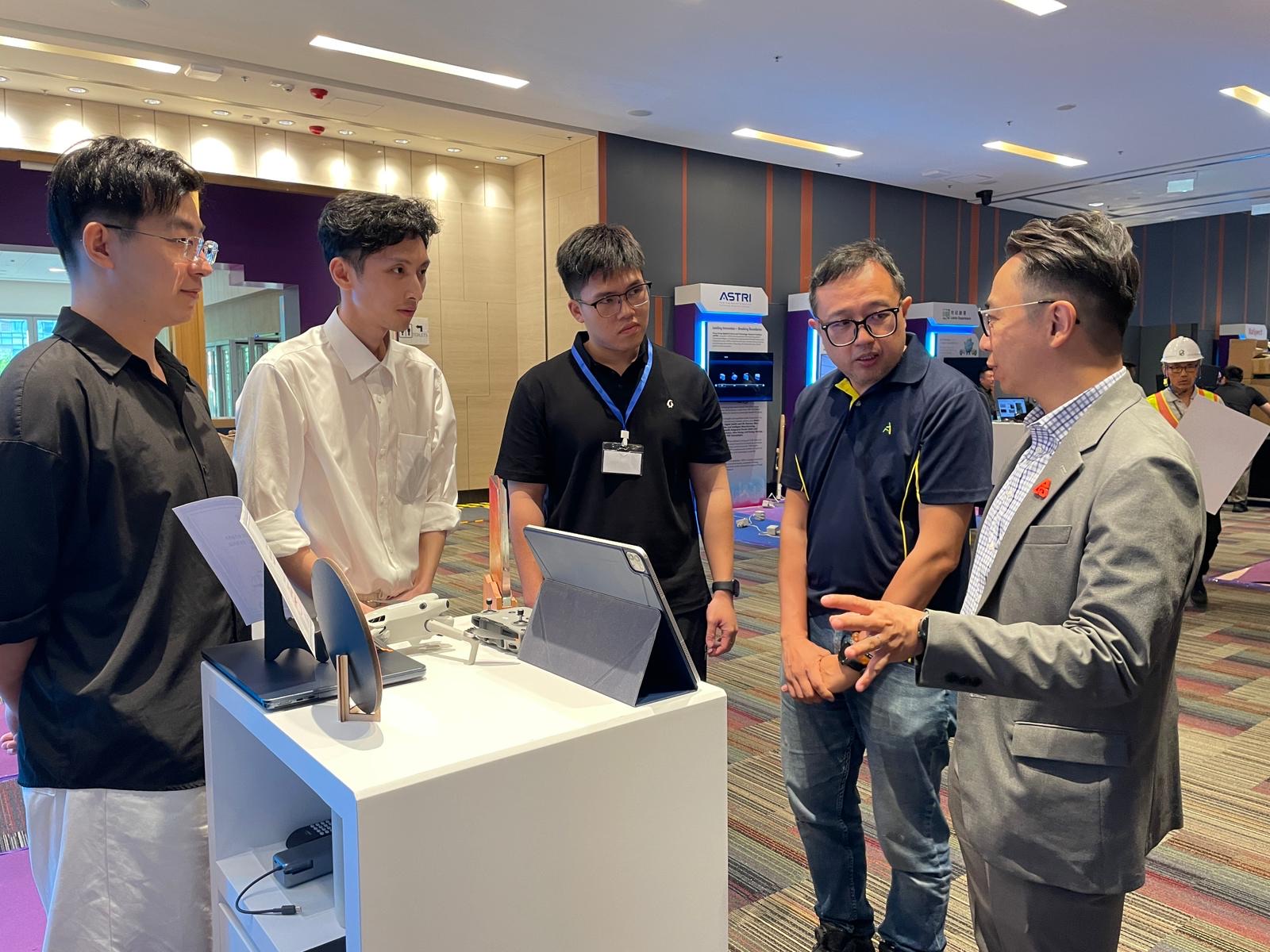
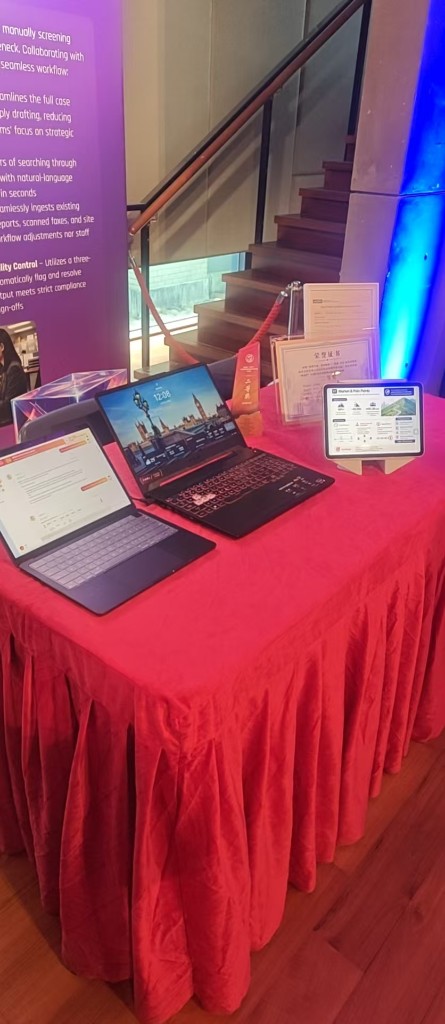
Technical Lead · 99.4% contribution · Lingnan Cup 2nd Prize · RMB 10,000 prize · Guangzhou TV segment · CIC AI Award showcase · LUX incubation showcase · U.S. provisional filed · Public reference implementation
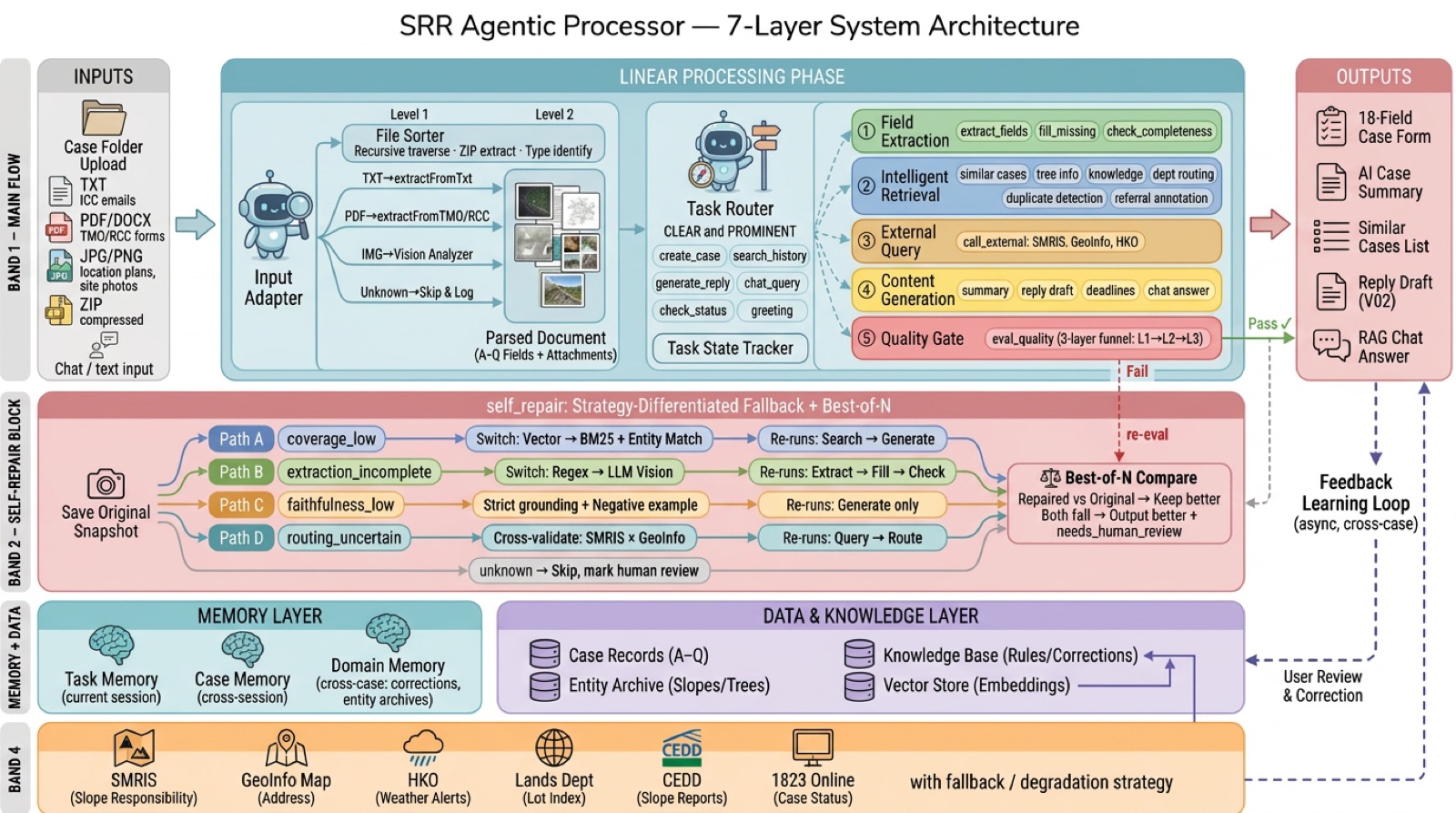
Three-stage repo evolution
12/12 requirements delivered before the public showcase version.
View SRR-Project-Team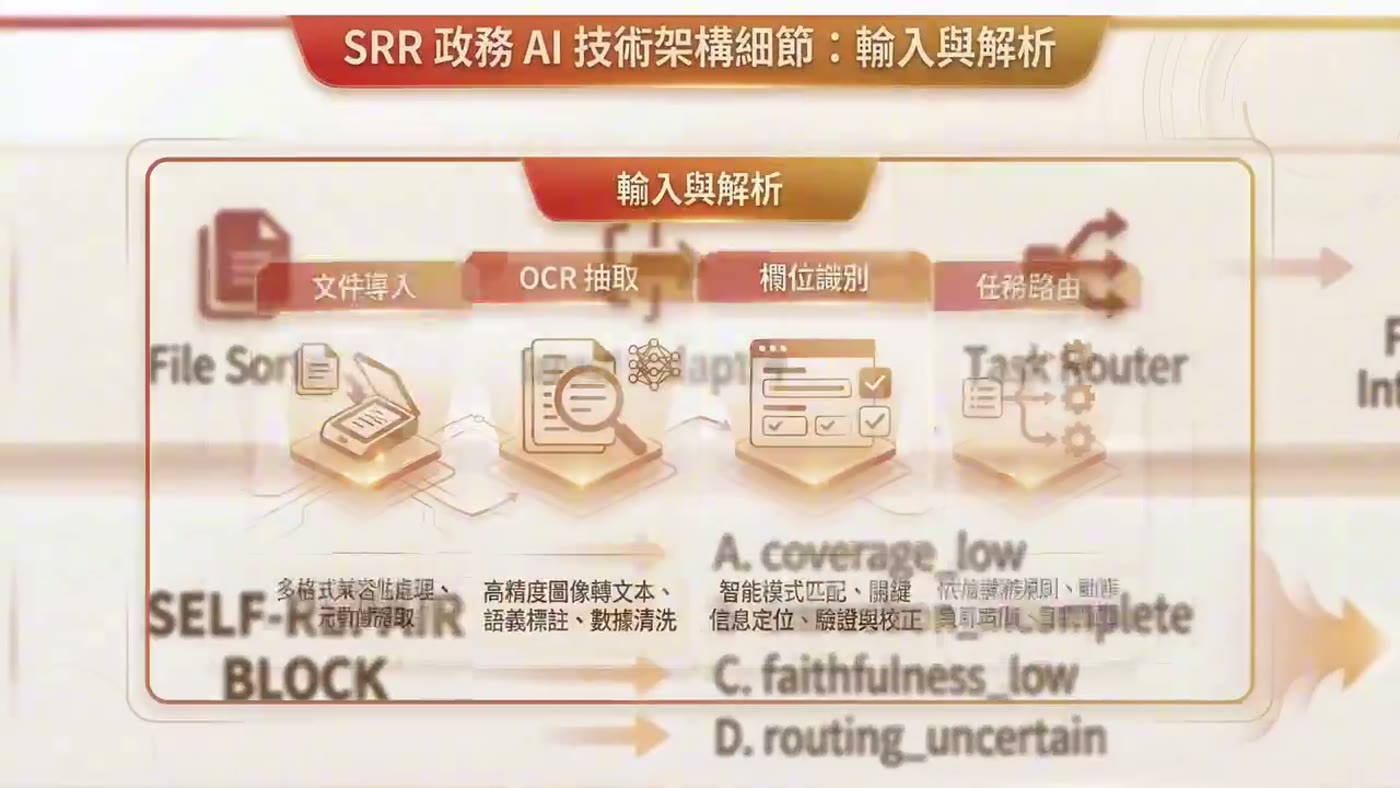 SO_PRD25 product video
Background -> pain points -> solution -> future roadmap
Open video
SO_PRD25 product video
Background -> pain points -> solution -> future roadmap
Open video
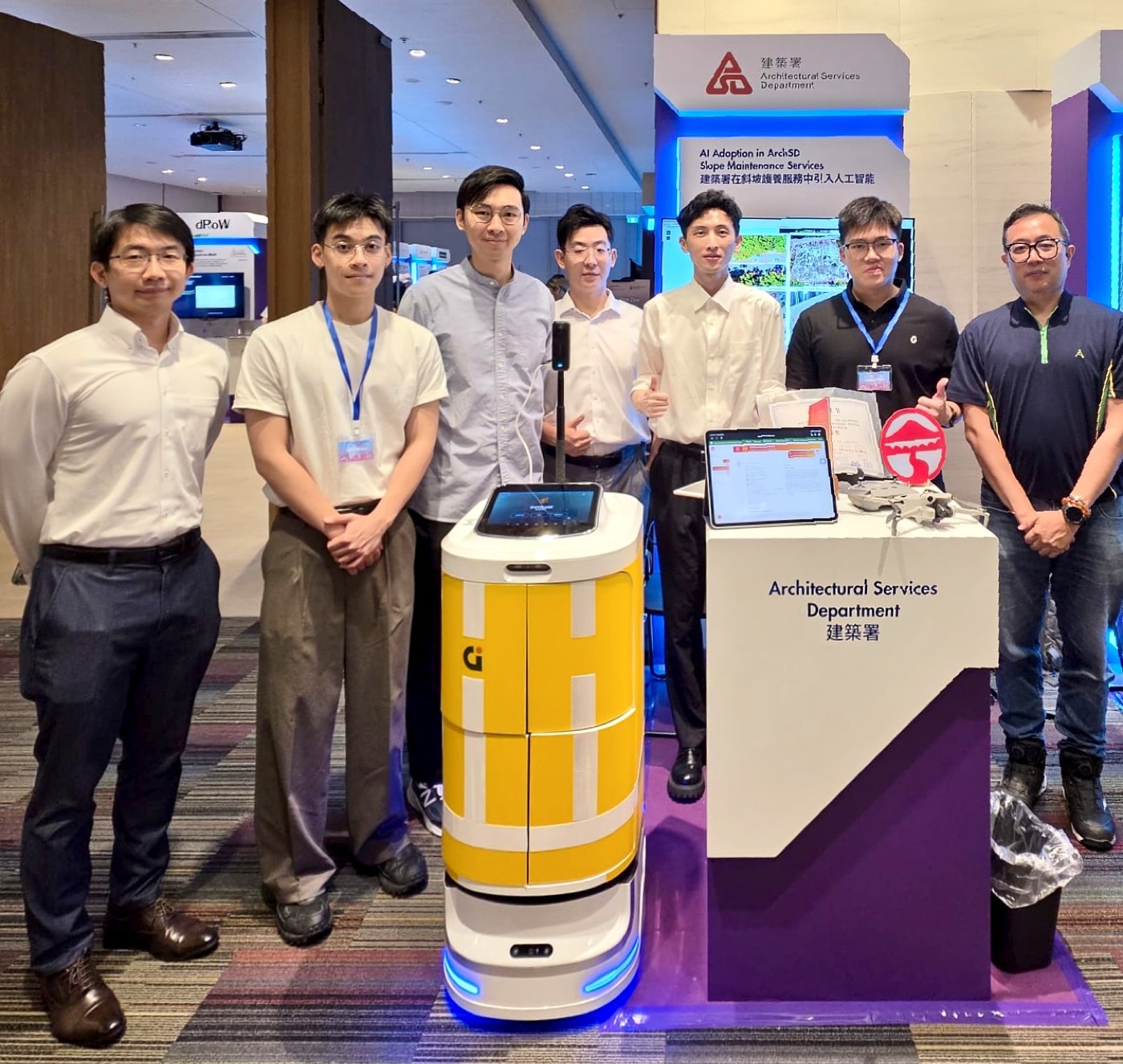
 CIC AI Award showcase
Construction-sector exhibition material built from the SRR workflow story
Open video
CIC AI Award showcase
Construction-sector exhibition material built from the SRR workflow story
Open video
Situation
Hong Kong public-service SRR handling relied on multi-channel materials, manual routing, historical lookup, and repeated field interpretation.
Task
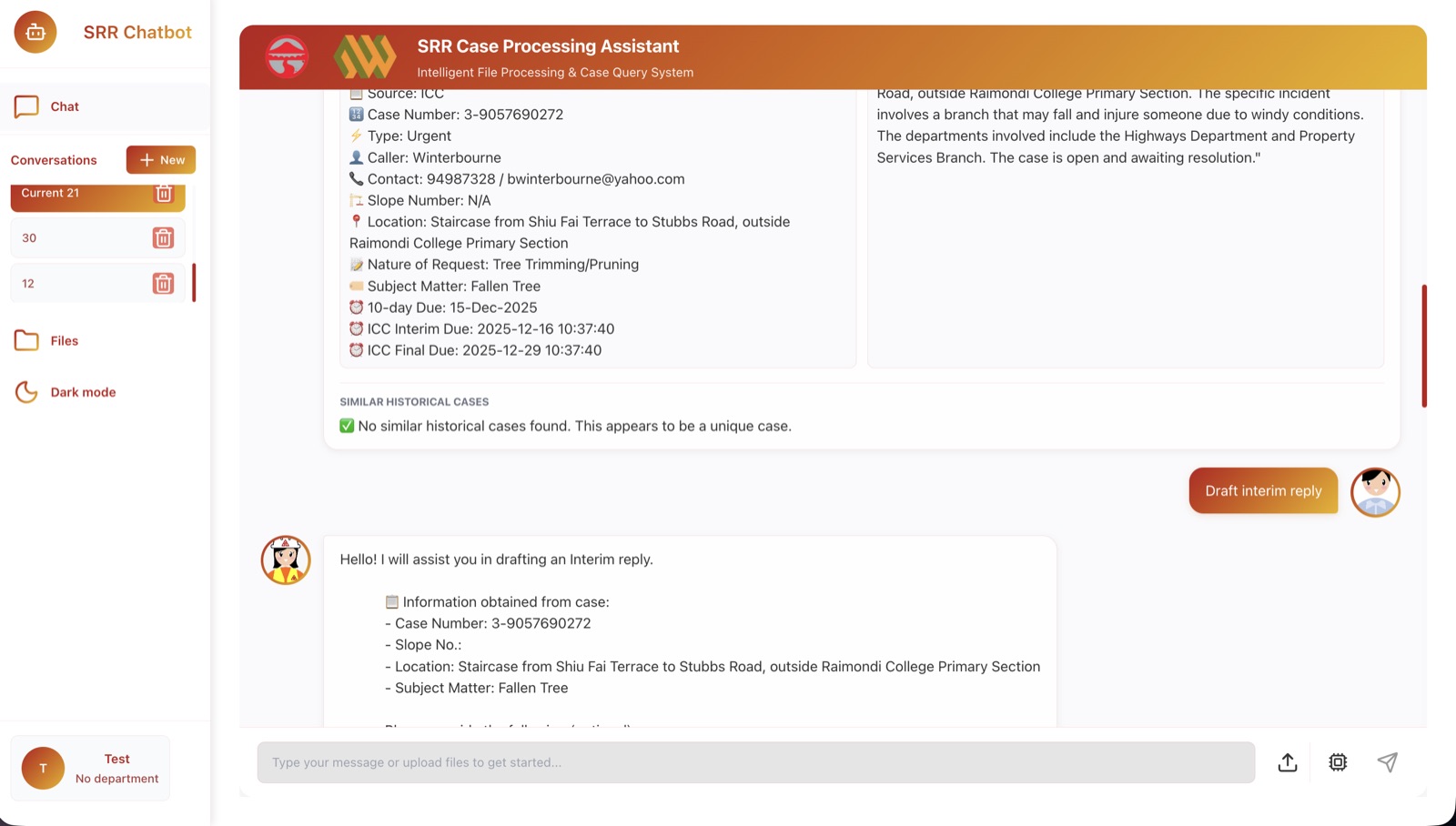
Turn the process into a controllable case-processing system that could parse ICC 1823, TMO, and RCC inputs, extract A-Q fields, and draft traceable replies.
Action
Designed a seven-layer agentic architecture with 17 atomic capabilities, pgvector + RRF retrieval, three-tier evaluation, Best-of-N repair, and rollback logic.
Result
Delivered 12/12 requirements, then converted the work into a public reference repo, TV-covered case, CIC AI Award showcase material, LUX incubation booth, award proof, and U.S. provisional Application No. 64/092,622.

InsurTech Graph Intelligence
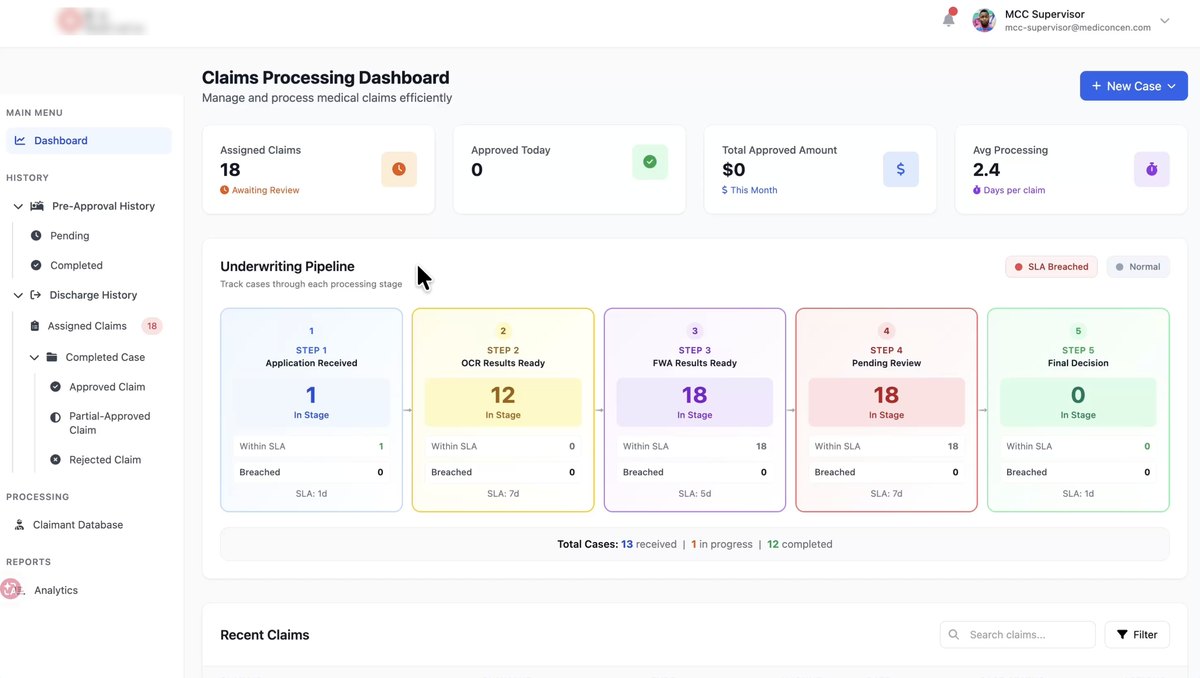
Core Developer · GraphDB foundation · Claims adjudication workflow · Neo4j validation · Spanner Graph-ready design
Pipeline shape
Graph first because FWA risk often appears in relationships, not a single field.
Graph Pipeline
The system turns raw claim records into portable nodes and edges, validates paths in Neo4j, and prepares the model for future Google Spanner Graph deployment.
Situation
Insurance FWA review faces high claim volume, sparse confirmed fraud labels, and risk signals that often hide across patients, providers, diagnoses, receipts, and amount patterns.
Task
Create a data foundation that lets reviewers inspect risk paths instead of reading isolated claim fields or opaque model scores.
Action
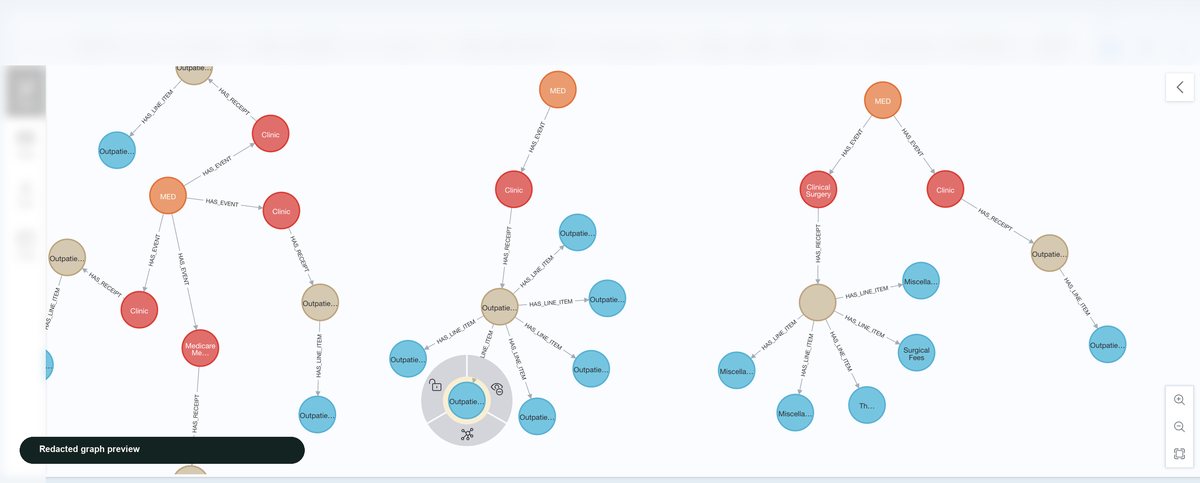
Converted 38,659 claim JSON files into a 1.61M-node / 2.57M-edge property graph, validated paths in Neo4j with three business queries (claim evidence path / same-item high-amount / provider-clustering), and built portable nodes/edges CSV extraction on a FastAPI async-batch service.
Result
The output shifts the review surface from approve/reject labels to a queryable, traceable evidence chain: suspect paths, related entities, and amount anomalies an assessor can audit. (GNN risk-ranking and a medical-necessity agent are the next-step roadmap.)
Claim, event, provider, diagnosis, receipt, billing, breakdown, and amount-feature entities.
Single-claim path inspection helps explain why entities are linked in a review trail.
Portable CSV extraction keeps the graph foundation independent from one graph database.
Award-Winning Clinical AI
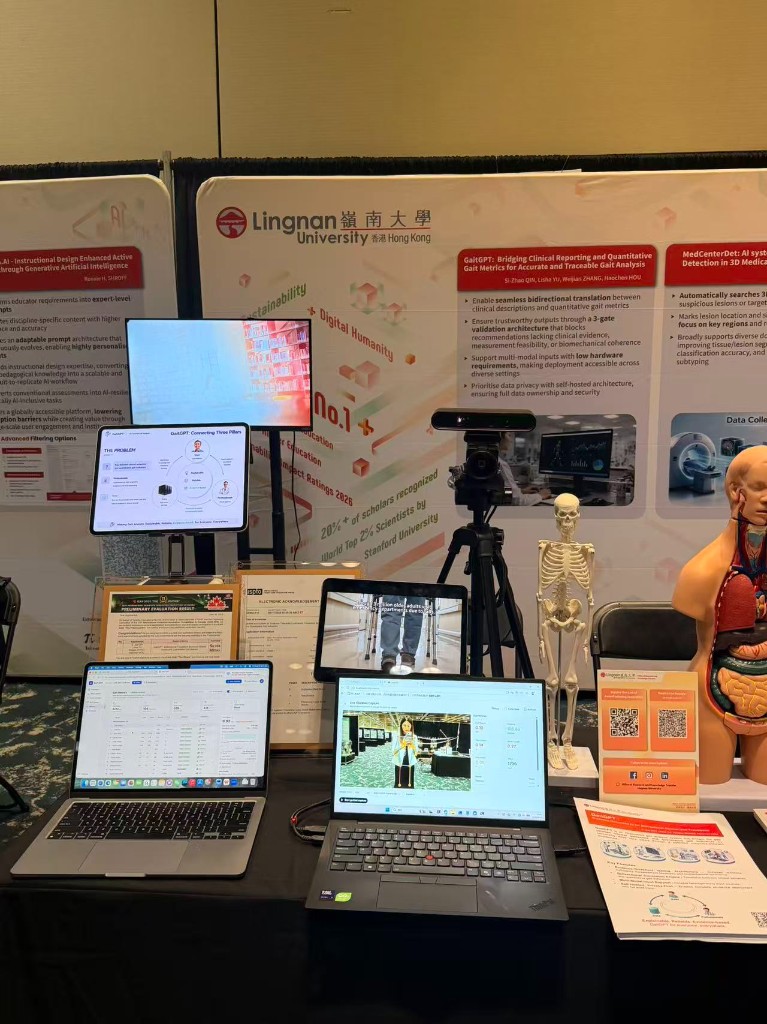
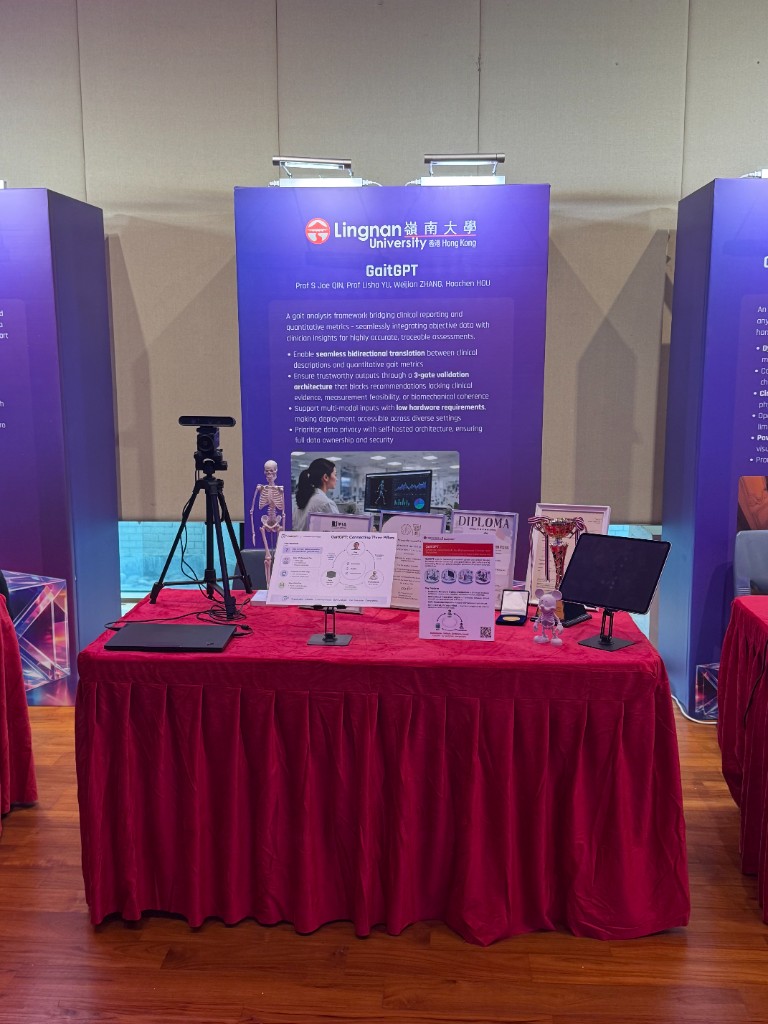
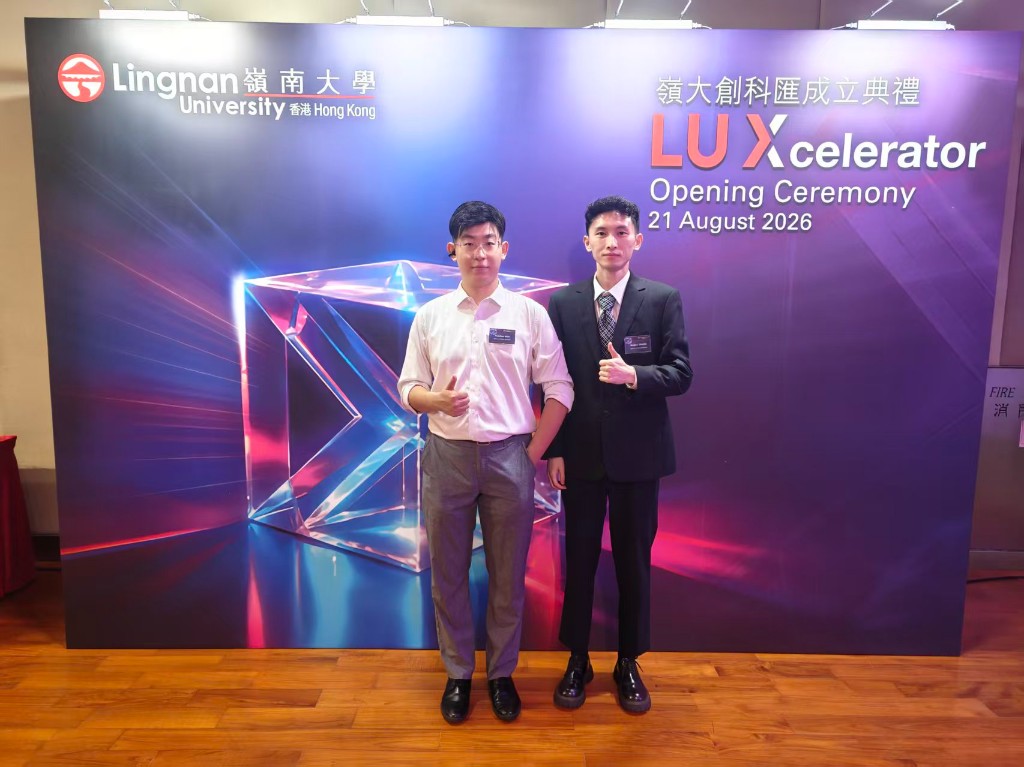
Architecture Lead · SVIIF 2026 Gold Medal · IFIA Best Invention · Thailand Special Award · LUX incubation showcase · U.S. provisional filed
Demo Video
Situation
Monocular RGB lowers the hardware bar, but fluent language can hide whether a metric is measurable.
Task
Build an evidence-bounded bridge from clinical language to gait indicators — not a diagnosis.
Action
RGB pipeline plus a three-gate contract before any EvidenceBoundFinding is emitted.
Result
GPJATK vs Vicon on the accepted subset; then SVIIF Gold, two specials, LUX booth, and provisional 64/092,416. Technical agreement, not diagnosis.
Enterprise Data Backbone
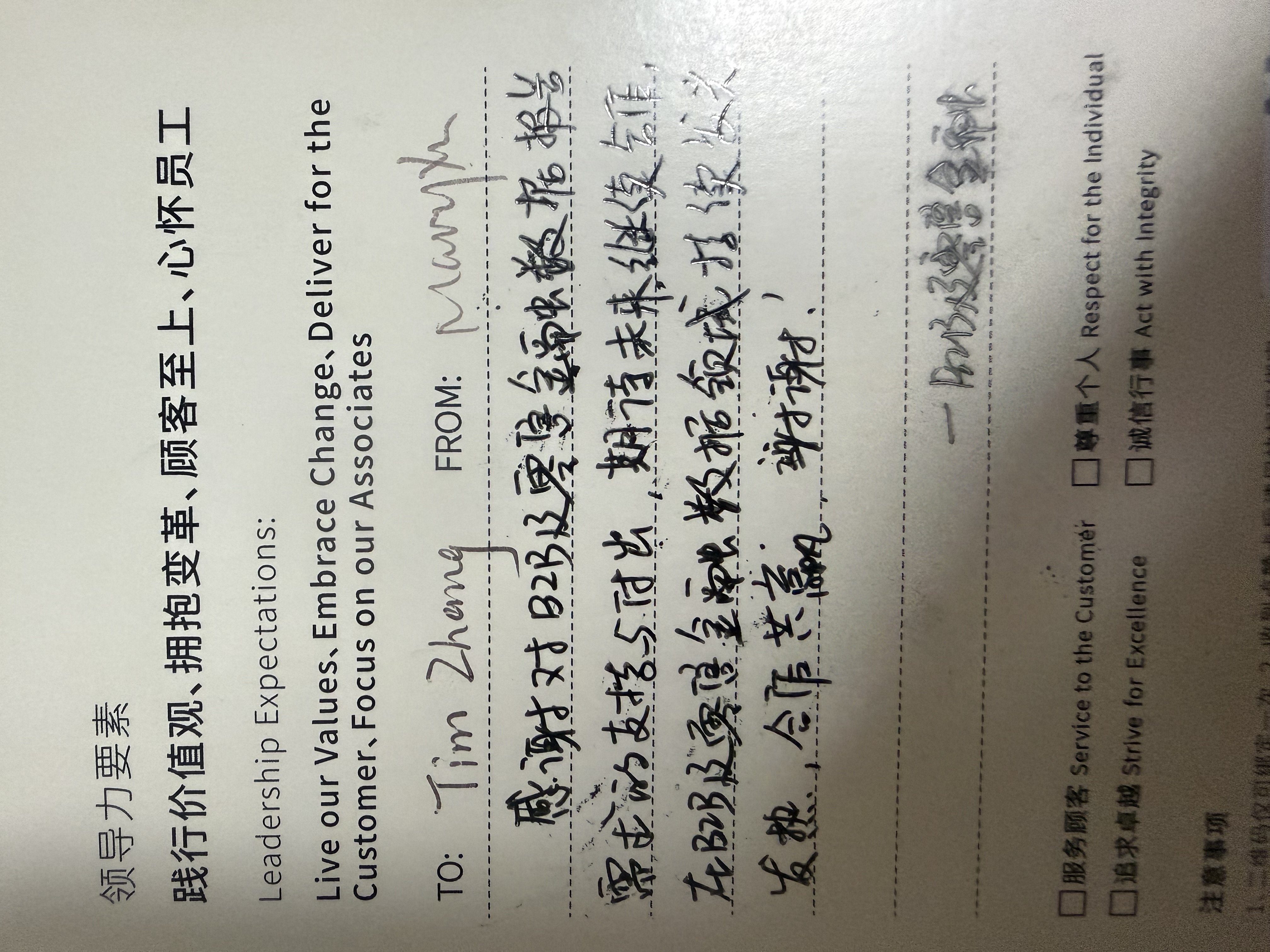
Data Engineer · B2B finance and operations reporting · Cloud warehouse modernization · SOX-aware delivery
Business data scope
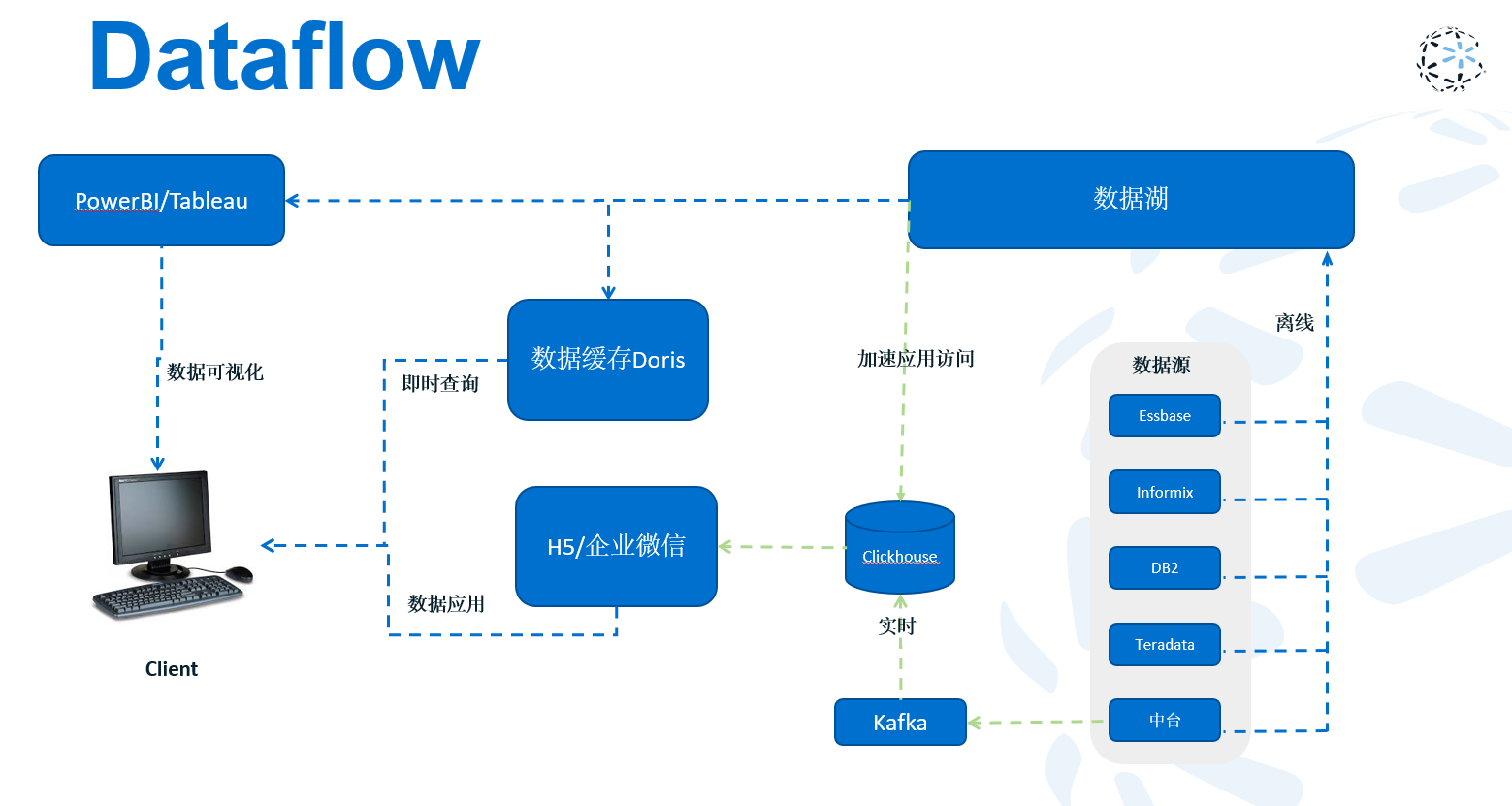
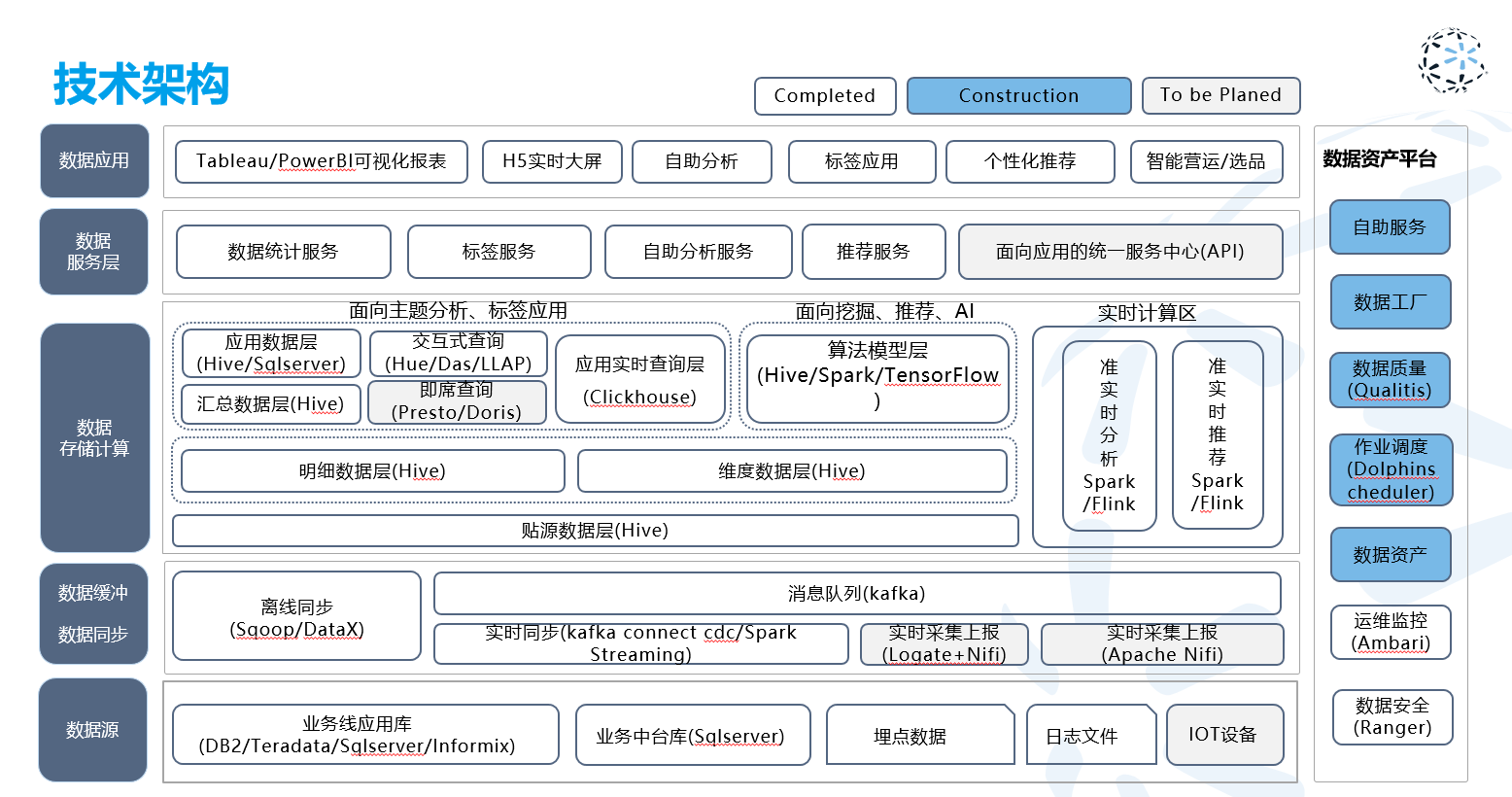
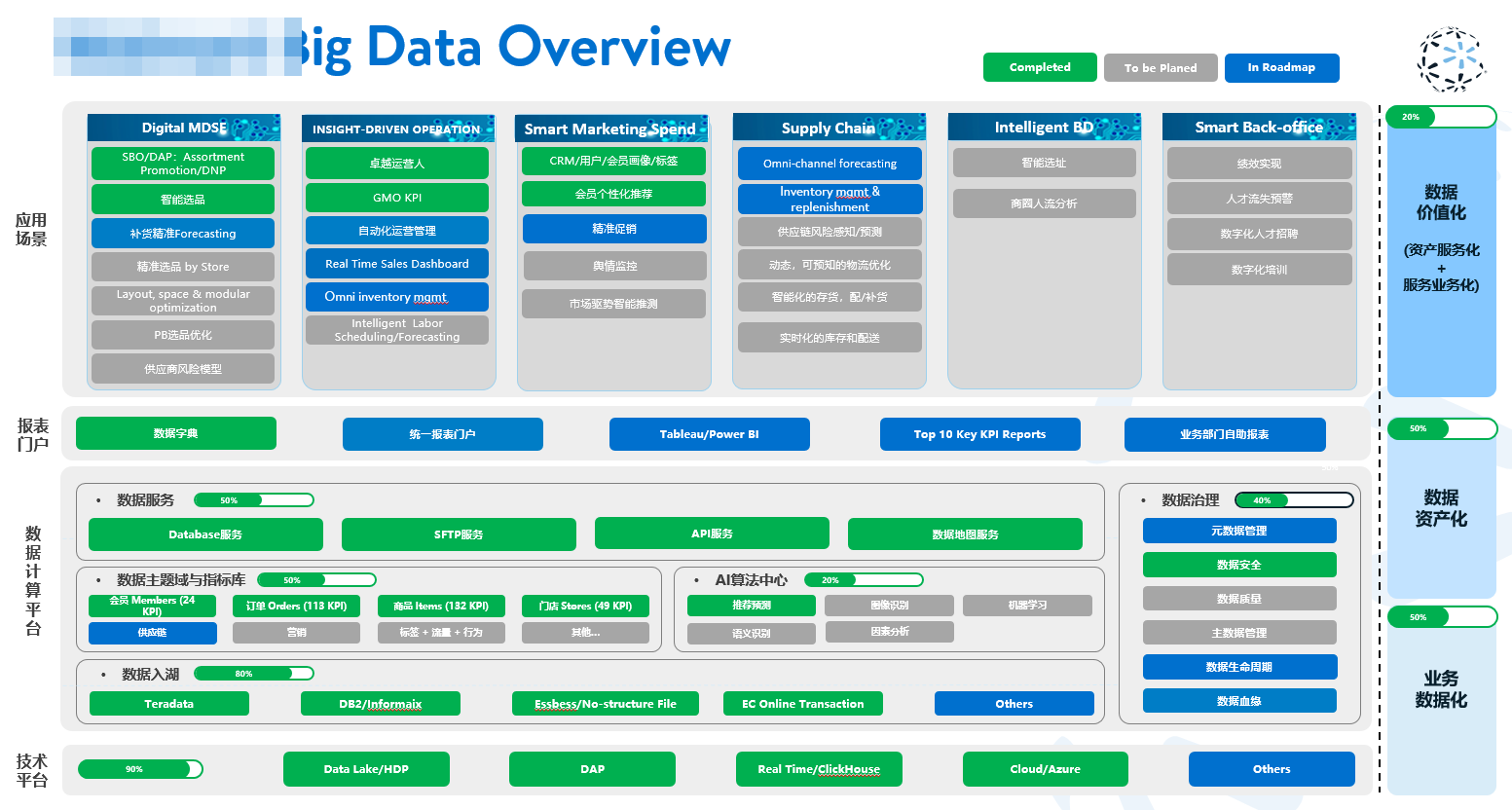
Enterprise value came from making finance and operations data explainable, reusable, and fast enough for daily decisions.
Situation
B2B finance and operations reporting depended on fragmented PNL, B2B, HR, Leasing, order, contract, billing, inventory, gift-card, fulfillment, and enterprise-account sources.
Task
Make daily decision data reusable and explainable across finance, operations, and dashboard teams through B2B refined management, data-asset mapping, lineage, and T+0 data quality response.
Action
Migrated 10TB+ workloads, rebuilt ODS / DIM / DWD / DWS / ADS layers, connected CRM / OMS / B2B / gift-card / warehouse / finance sources, and tuned Hive, SparkSQL, StarRocks materialized views, Seatunnel, and scheduling paths.
Result
Improved the finance data foundation by 50%+, cut ETL runtime by 87.5%, reduced disk usage by 38%, improved query speed by 55%, and moved core StarRocks analytical queries from 3-10 minutes to an average 0.8s.
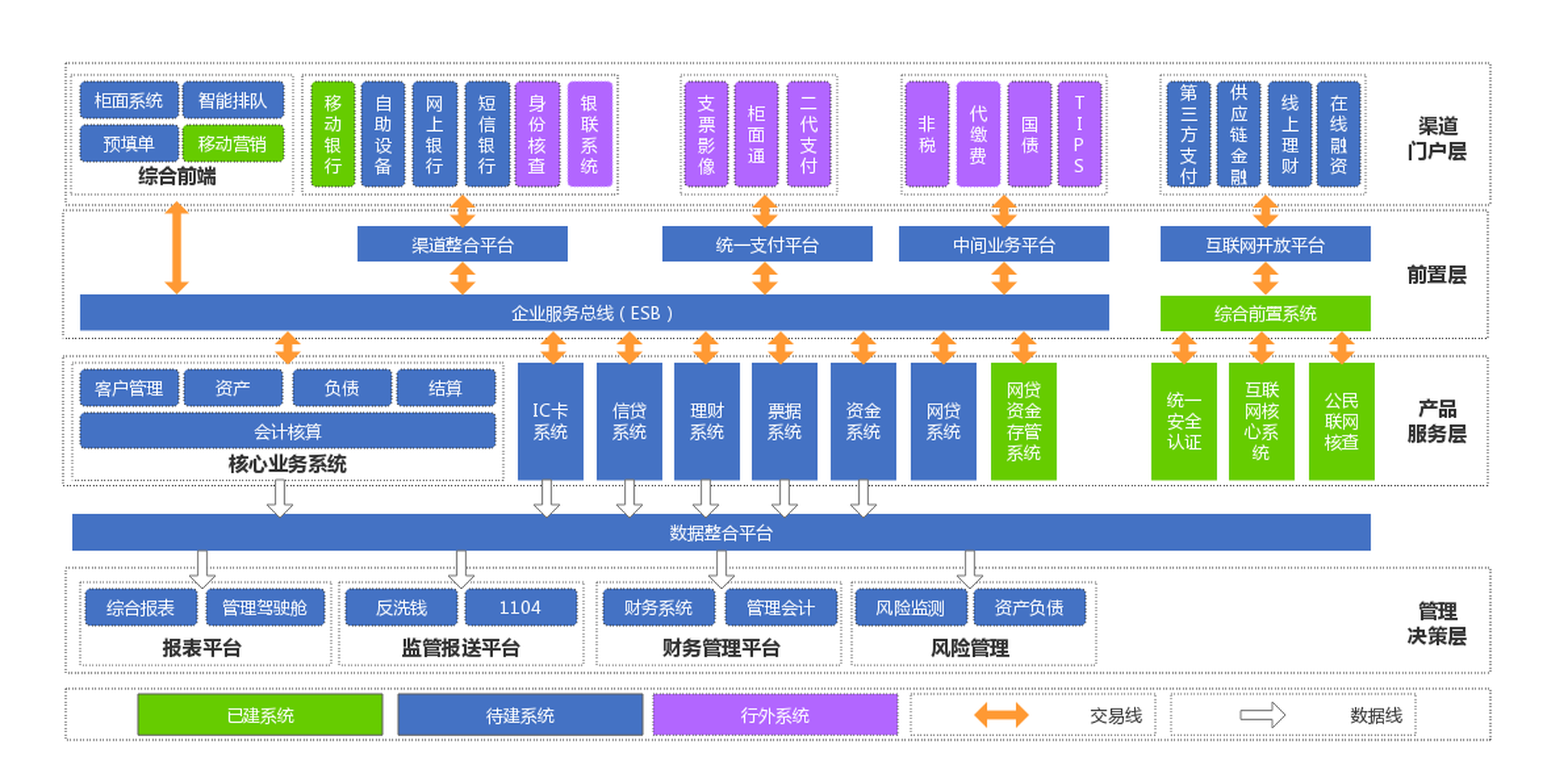
Commercial Banking Data
Data Engineer · Model-layer maintenance · SQL delivery · Banking stakeholder communication
Banking data discipline
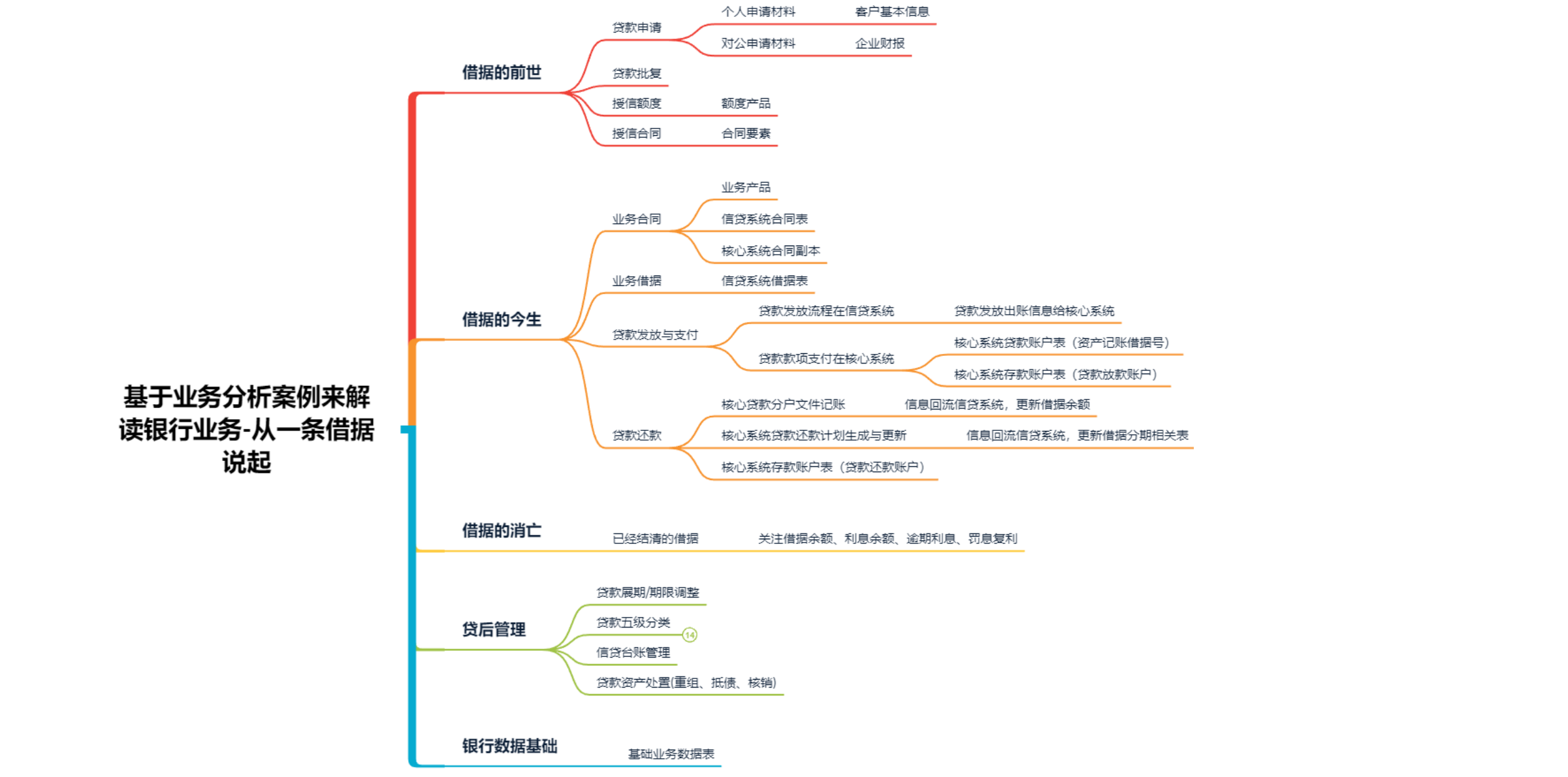
Banking value means definitions are stable, lineage is traceable, and downstream reporting can be trusted.
Situation
Commercial-bank reporting depends on strict definitions for credit, limits, contracts, core lending, loan accounts, loan receipts, disbursement, repayment, settlement accounts, and downstream product indicators.
Task
Support financial, regulatory, and management reporting while leading credit-domain model maintenance, limit-system upgrade work, and core lending migration impact analysis.
Action
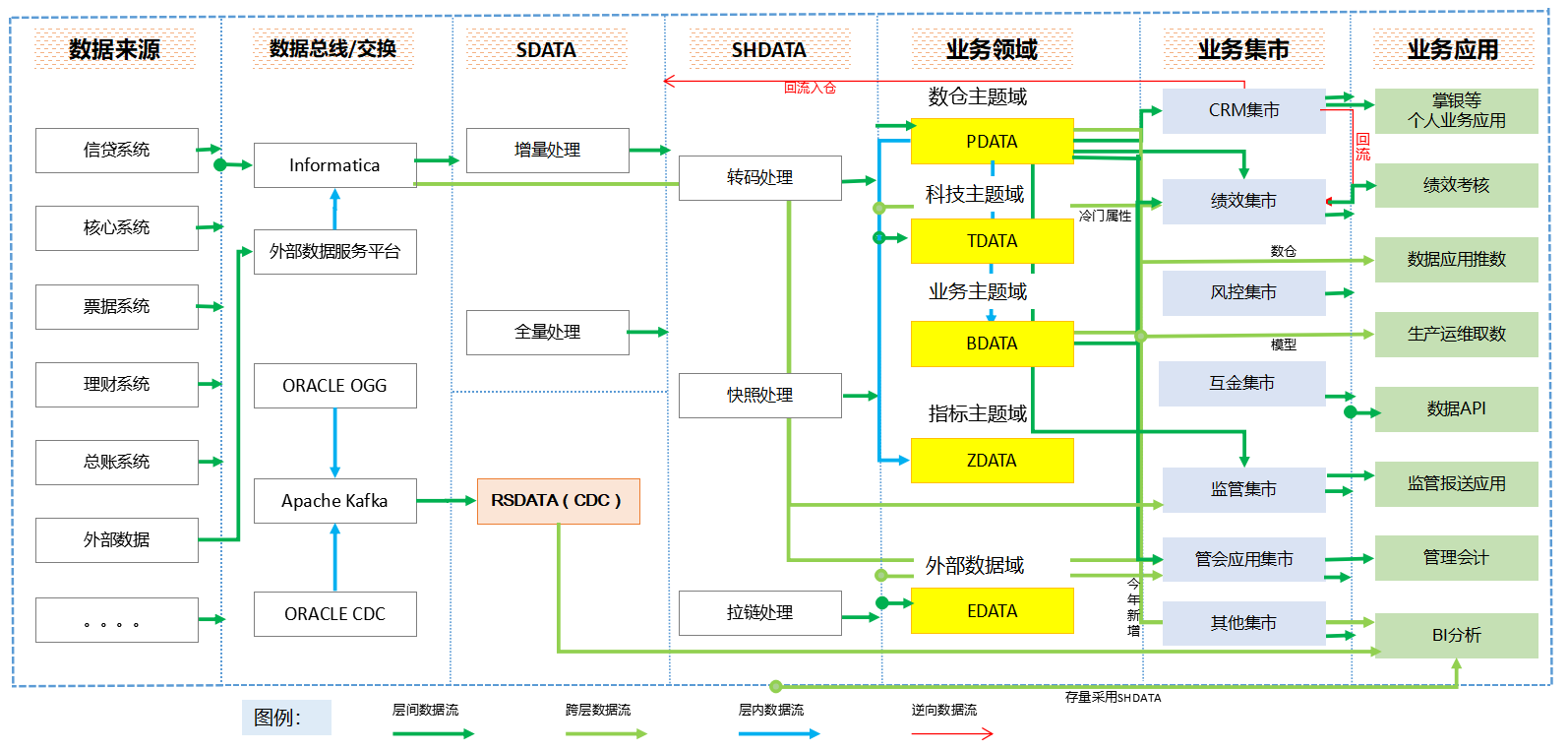
Maintained model-layer SQL, delivered SIT/UAT reports, optimized 30+ issue points, implemented 15 key limit models, mapped source systems through data-bus / SDATA / SHDATA / domain / mart layers, and tuned Impala skew plus UDF repricing-date logic.
Result
Built bank-grade delivery habits: clear semantics first, controlled change second, traceable issue handling, stable reporting outputs, and reusable credit / limit / lending model knowledge before presentation polish.
Capabilities
I am most useful when the problem needs both infrastructure rigor and application-layer intelligence: reliable ingestion, clean modeling, retrieval quality, evaluation, and deployment that can survive real-world use.
01
02
03
Python, SQL, FastAPI, Docker, Linux, GitHub, Airflow, DolphinScheduler
LangChain, LangGraph, OpenAI API, Gemini, pgvector, Neo4j, PubMed, Semantic Scholar, LLM-as-Judge
Power BI, Tableau, GCP, StarRocks, SQL Server, PostgreSQL, Google Spanner Graph-ready design
About
My background is anchored in data engineering, but the through-line has always been operational reliability. I started with enterprise data warehouse design and large-scale analytics, then moved into real-time monitoring, AI-assisted workflows, and cloud-native service delivery.
That combination matters because many AI projects break at the seams: weak ingestion, brittle retrieval, unclear evaluation, or deployment paths that are hard to maintain. I enjoy building across those seams so the system behaves as one coherent product rather than a chain of disconnected tools.
I hold an MSc in Artificial Intelligence and Business Analytics from Lingnan University and bring hands-on delivery experience from Hong Kong government innovation work, clinical gait AI, insurance fraud detection, multinational retail enterprise data platforms, and commercial bank data middle-platform programs.
Education
Lingnan University, Hong Kong · 2025–2026
AIBA coursework: Foundation of AI, Business Data Management, Data Analytics & Programming, Healthcare Analytics, Data Visualization, Programming with Generative AI, AI-Based Optimization.
Bachelor of Management · Shenzhen University · 2013–2017
Domain Context
Environments where data quality, business rules, and stakeholder trust are not optional.
Working Style
I like architectures that are measurable, explainable, and production-ready from day one.
Resume
If you want the complete timeline, project detail, and technical background, the resume includes the full version. It is designed to point back to this portfolio, where SRR, MCC FWA, and GaitGPT show the system proof, architecture decisions, and project narrative.
Snapshot
2019–2025 Enterprise data engineering across banking, retail, and cloud data platforms.
2025–2026 SRR, MCC FWA, and GaitGPT: applied AI systems with evidence, evaluation, and deployment stories.
Core promise Strong foundations, measurable outcomes, and systems that can be maintained.
Contact
I am especially interested in roles where data reliability and intelligent application design need to work together, not compete with each other.
Phone
HK: +852 84965467
Mainland: +86 131 6809 0613
GitHub
github.com/February13Best fit
Data Engineer, AI Engineer, Platform Engineer, or hybrid data + AI product roles.